
EN 301 549: European standard for digital accessibility
EN 301 549 enables European organizations to measure the accessibility of websites, electronic documents, and non-web software such as native mobile apps, against documented success criteria for all people, including those with disabilities. The harmonized standard also specifies the minimum requirements of the European Web Accessibility Directive (WAD) and the European Accessibility Act (EAA).
What is EN 301 549?
EN 301 549 is the European standard for accessibility requirements for Information and Communications Technology (ICT) products and services in the European Union. It is developed jointly by the European Standardization Committees CEN, CENELEC, and ETSI.
Two versions of EN 301 549 matter right now.
- EN 301 549 v4.1.1 (PDF) was published by ETSI on September 2, 2026, and references WCAG 2.2 AA. This version adds Annex ZB and clause A.2, which map the standard to the European Accessibility Act. Earlier versions had no EAA mapping.
- EN 301 549 v3.2.1 (PDF) references WCAG 2.1 AA and is still the version cited in the Official Journal of the European Union.
In both versions, the WCAG requirements are organized the same way: Web (Chapter 9), Non-web documents (Chapter 10), and non-web software like mobile apps (Chapter 11). EN 301 549 also follows the same underlying WCAG principles: Perceivable, Operable, Understandable, Robust (P.O.U.R.)
All public sector websites in the European Union (EU) have been required to meet the standard since September 23, 2020. All mobile apps in the public sector have been required to meet the standard since June 23, 2021. This is set out in the Web Accessibility Directive 2016/2102, which is transposed into national legislation in all EU member states. Public sector bodies must comply and prove their level of accessibility through an accessibility statement against the standard. This report cannot be older than three years.
For the private sector, the EU adopted Directive 2019/882, known as the European Accessibility Act (EAA). This directive is applicable to specific sectors including e-commerce, banking, e-books, and consumer electronics. Member states transposed the EAA into national law by June 28, 2022 and the legal obligations have applied since June 28, 2025.
EN 301 549 is the standard the European Commission designated to support the EAA through standardization request M/587. Conforming to EN 301 549 remains the most practical route, and many national transpositions reference it directly.
If you sell into the EU and haven’t scoped your obligations yet, the deadline is behind you, not ahead of you. Start with an audit against the version that applies to your situation.
Important EN 301 549 considerations
Member states have implemented accessibility requirements in different ways. Some reference EN 301 549 directly in national law, as Germany does through BITV and BFSG. Others maintain their own national methodology with its own test criteria and reporting format, as France does with RGAA. Knowing which route applies to your organization determines what you are actually tested against.
EN 301 549 is unique in going beyond WCAG, extending, for example, to cover biometrics. The standard requires that where ICT uses biological characteristics such as facial recognition or fingerprints, it cannot rely on one particular characteristic as the only means of identifying a user. With biometric authentication now standard in banking and e-commerce apps, this is a live requirement, not a future one.
Which version of EN 301 549 applies to me today?
EN 301 549 v3.2.1 is currently cited in the Official Journal and remains the operative baseline for WAD and presumed conformance for EAA. However, because EN 301 549 v4.1.1 was published on September 2, 2026, we recommend moving to v4.1.1 now.
How to take action and conform to EN 301 549
Here are some actions you can take to ensure that your websites and applications are accessible:
- Have a complete accessibility audit performed on your site and apps to determine your current level of accessibility. Use the audit report to provide evidence of accessibility conformance or for accountability of your accessibility declaration based on EN 301 549.
- Determine which parts of your site or app need to be prioritized based on usage and the severity of the accessibility barriers. It may be helpful to consult with accessibility experts to ensure you’re starting with a strong remediation strategy.
- Train your developers, testers, and content creators in accessibility concepts and techniques and provide support to help them fix your accessibility issues.
- Equip your development teams with tools to integrate accessibility testing into all stages of the development process going forward.

Benefits of EN 301 549 conformance
Serving a wider audience
Accessible content will widen your available target audience opening new revenue opportunities.
Decreased legal risk
The European Accessibility Act has applied to covered private-sector products and services since June 28, 2025. Public sector bodies have been required to comply with the Web Accessibility Directive since 2020. Regulatory enforcement is active.
Increased Search Presence
Providing page titles, semantic heading structure, alternative text for images, and transcripts for audio-visual files makes your content more discoverable by search engines. The same semantics that make content usable for people with disabilities also optimize your content for AI assistants and agents.
Better overall user experience
Studies show that optimizations made in UI/UX for accessibility also benefit people without disabilities.
Helpful resources
Helpful resources
EN 301 549 v4.1.1 is final! What changed, what it means, and what you should do.
If you haven’t already moved your accessibility program toward WCAG 2.2 AA and the new EN 301 549 v4.1.1 requirements, now is the time to begin that process.
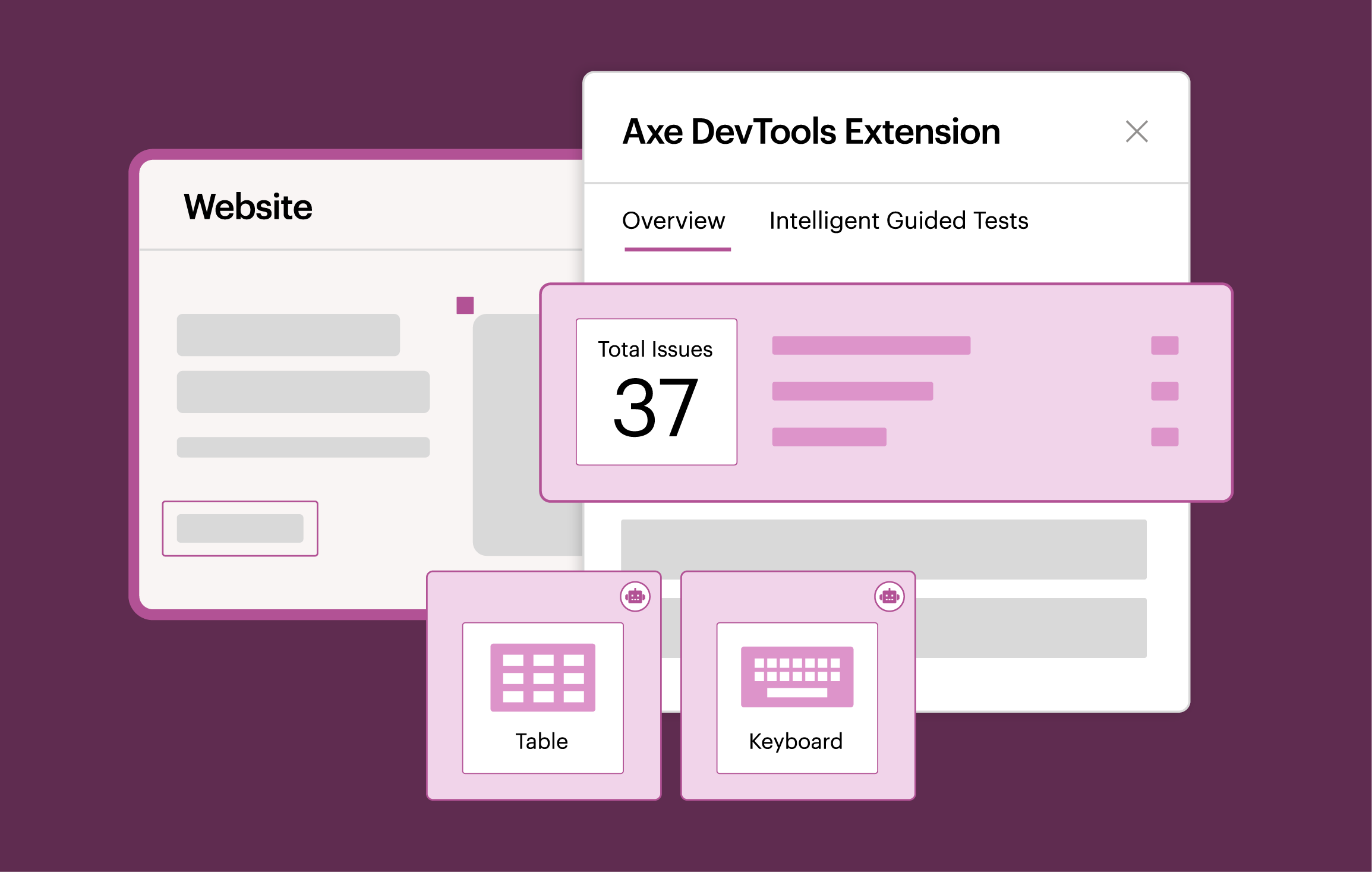
Free Axe DevTools extension
Join 400,000+ active weekly users in practicing accessibility. Get instant results plus more interactive testing features right in your browser.
An introduction to the European Accessibility Act (EAA)
What you need to know about the European Accessibility Act (EAA).
How Deque can help
Deque accessibility experts have the knowledge and skills today to help you conform to EN 301 549. We have our own European office and years of experience with this digital accessibility standard. Deque experts helped define WCAG 2.1 and 2.2 and were actively involved in implementation testing.
Additionally, Deque services, training, and tools are continually updated with the latest accessibility requirements. The Axe suite already covers WCAG 2.0, 2.1, and 2.2, as well as EN 301 549 v3.2.1. Support for EN 301 549 v4.1.1 is ready to ship as soon as the standard is officially cited in the Official Journal of the European Union (OJEU). Your teams can test to the version that applies to them today.
Contact us if you’d like help with EN 301 549 and WCAG now.
Audit
Most accessibility projects begin and end with an audit – they assess the current state of your site or application’s accessibility resulting in a clear accessibility report.
Remediation
Getting help from our team of experts will ensure your accessibility fixes will meet your compliance requirements as quickly and effectively as possible.
Axe Testing Tools
The Axe Platform enables accessibility experts and development to test and maintain accessibility end-to-end.
