
Accessibility Awareness Lab Resources
Lab station materials and additional resources
Welcome to our Accessibility Awareness Lab!
Technology like computers, smartphones, and the Internet can provide a life-changing level of independence for people with disabilities… If it’s accessible.
There are guidelines and laws that stipulate what qualifies something as accessible or inaccessible, but until you understand how people with disabilities actually use technology, it’s hard to know how accessibility issues may occur. That’s where the Accessibility Awareness Lab comes in.
On this page, you can find links to all the materials located at each station in the Lab as well as some additional resources to help you with your ongoing digital accessibility journey.
Let’s talk about empathy…
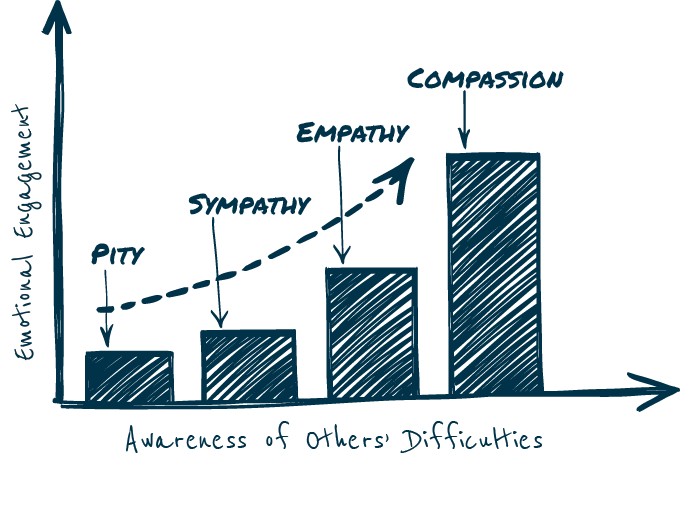
What do we mean when we use the word “empathy”? The term is used in a lot of different ways, and sometimes definitions seem to be completely at odds with each other. One common thread through all definitions of empathy is the ability to perceive and understand how another person may be feeling in a given situation. Alternatively, sympathy means feeling sorrow or pity for another person’s distress without necessarily understanding or trying to understand what that person is experiencing.
Taking the time to develop empathy and engage with the realities of using websites and other technology as a person with a disability empowers us to think and work with compassion for all users and experiences.
Empathy means being able to perceive and understand how another person may be feeling in a given situation. It reflects a high level emotional engagement and awareness of another’s difficulties. By building empathy we can learn to act with compassion.
Lab Station Materials
Each tile will bring you to a page with the materials included at each station in the lab. If you need any help with the activities, please speak to a Deque team member
The learning doesn’t end here!
Now that you’ve had a glimpse into the world of accessibility, we hope you’ll remember that these experiences do not replace the need to engage with real people with disabilities. When you have the opportunity, ask people with disabilities about their experiences. Listen closely to them when they explain their needs, challenges, and ideas. Ask questions. Never assume that you fully understand the perspective of what it is like to have a disability, and never stop learning.
Not sure what to ask? Here are some examples to kick things off:
- Do you use assistive technology? If so, how?
- Are there any accessibility challenges in your daily life? What are they and how do you overcome them?
- What would you like others to know about accessibility?
- What is your current job?
- What are the key tasks you perform in your job?
- Who inspires you?
Need accessibility help?
Deque is your accessibility company of choice. Call +1 703-225-0380 or +91 9000189666 or email us. Customers can contact our support helpdesk.
