
Saudi Arabia’s accessibility laws
Understand Saudi Arabia’s digital accessibility requirements and learn what your organization must do to meet them. Whether you’re in the public or private sector and whether your digital properties serve customers or employees, Deque can help you create digital experiences that are compliant and inclusive of everyone, including people with disabilities.
What are Saudi Arabia’s accessibility standards?
Saudi Arabia’s Rights of Persons with Disabilities Law mandates digital accessibility, and the Digital Government Authority enforces WCAG 2.1 AA through active auditing.
Government entities meet the same baseline under the Digital Government Authority (DGA), which audits performance through its Digital Transformation Index (Qiyas). Some go further—The Digital Inclusion Program for People with Disabilities and the Elderly targets WCAG 2.0 Level AAA.
Obligations extend to employee-facing systems: the Saudi Labor Law sets a 4% disability employment quota and requires reasonable accommodations.
Together, these requirements advance Vision 2030 and the Kingdom’s commitment to an inclusive digital future.
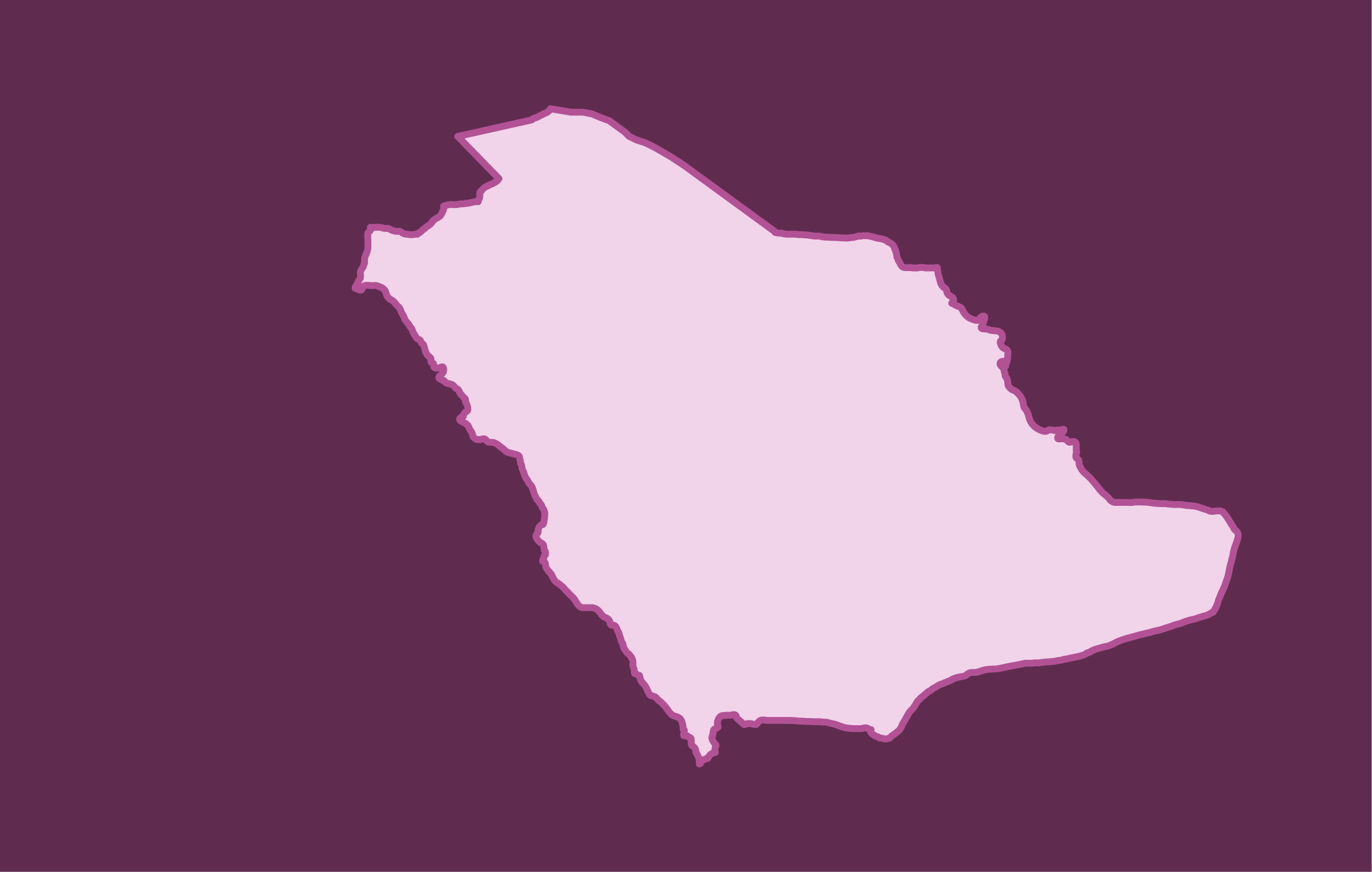
Digital accessibility in Saudi Arabia
Saudi Arabia aims to rank among the top 3 countries globally in digital government maturity by 2030 – a goal that makes accessible, inclusive services a functional prerequisite
Over 1,349,585 (5.1%) individuals in Saudi Arabia have a disability according to the Saudi Census 2022.
79.19% of Saudi web traffic comes from mobile devices, highlighting the need for responsive and accessible design.
Why digital accessibility is right for your organization
The benefits of offering accessible products and services are wide-ranging and include:
Legal and regulatory compliance
Saudi Arabia’s Rights of Persons with Disabilities Law mandates digital accessibility, and the Digital Government Authority enforces WCAG 2.1 AA through active auditing.
Vision 2030 alignment
Prioritizing accessibility positions your organization as a leader for Saudi Arabia’s transformative goals, fostering inclusion and national progress.
Trust and loyalty
Accessible platforms demonstrate commitment to all users, strengthening your brand’s reputation in a rapidly modernizing economy.
Innovation and competitiveness
Building products and services that meet or exceed standards such as WCAG 2.1 AA sets you apart from organizations that have not invested in digital accessibility.
The risks of non-compliance
Failure to comply with Saudi Arabia’s Rights of Persons with Disabilities Law and the Digital Government Authority’s accessibility mandates could have serious consequences for your organization, including:
Fines
Fines of up to SAR 1 million (approx. USD 266,000) for digital service failure under the E-Commerce Law, along with possible business suspension and blocking of the online store, and up to SAR 25 million under the Telecommunications Law (CITC).
Lawsuits
Non-compliance can lead to legal action from individuals and advocacy groups, potentially damaging your reputation and finances.
Loss of business
Inaccessible platforms exclude millions of users and may disqualify you from government contracts or tourism-sector opportunities.
Regulatory deadlines
With the Digital Government Authority and the Ministry of Human Resources and Social Development enforcing strict accessibility mandates, an April 2026 compliance deadline positions accessibility as a core requirement.
Choose Deque for digital accessibility in Saudi Arabia
Regional experts
Deque has offices and employees worldwide with deep knowledge of local guidelines.
Strategic Consulting
Our Principal Strategy Consultants help build, run and improve the world’s largest digital accessibility programs.
Trusted and proven tools
Our Axe accessibility testing tools are the defacto global standard with 875,000+ installs.
Frequently asked questions
What are Saudi Arabia’s digital accessibility laws?
Saudi Arabia’s framework is built on several instruments. The Rights of Persons with Disabilities Law (Royal Decree M/27) guarantees equal access and mandates inclusive design in digital environments; the 2019 legislation specifically requires websites, mobile applications, and digital services to comply with international standards such as WCAG.
The Digital Government Authority’s Web Accessibility Guideline is the primary technical standard for government entities, and Saudi Arabia has also ratified the UN Convention on the Rights of Persons with Disabilities. Related laws, including the E-Commerce Law, the Telecommunications Law, the Personal Data Protection Law, and the Saudi Labor Law, intersect with these accessibility obligations.
Is compliance mandatory in Saudi Arabia?
Yes – WCAG 2.1 Level AA compliance is mandated for private-sector digital platforms and is the baseline to which the Digital Government Authority holds government entities. In practice, enforcement is still maturing: there is not yet a standalone digital accessibility enforcement law with dedicated penalties. However, government sites are actively audited through the DGA’s Digital Transformation Index (Qiyas), the Personal Data Protection Law requires organizations to publish accessible privacy policies and terms, and the Saudi Labor Law’s 4% disability employment quota makes accessible employee-facing systems a practical requirement.
What are the benefits of aligning with WCAG guidelines?
Aligning with WCAG web content accessibility guidelines ensures that your digital content is inclusive, user-friendly, and compliant with global standards. It also helps you reach a wider audience and build a stronger, more trusted brand.
What WCAG level does my organization need to meet?
WCAG 2.1 Level AA is the baseline for private-sector organizations and government entities under the DGA framework. Some government agencies and programs, such as the Digital Inclusion Program for People with Disabilities and the Elderly, and the GOV.SA design system targets WCAG 2.0 Level AAA. If you sell to or serve Saudi government entities, meeting at least WCAG 2.1 AA is essential.
What penalties could my organization face for non-compliance?
There are no dedicated fines yet for failing WCAG conformance alone, but intersecting laws carry significant, actively enforced penalties. The E-Commerce Law allows fines of up to SAR 1 million for digital service failures, plus suspension or closure of the business and blocking of the online store. The Communications, Space and Technology Commission (CITC) can impose fines of up to SAR 25 million under the Telecommunications Law. Non-compliance can also lead to legal action and disqualification from government contracts.
Do employee-facing systems need to be accessible in Saudi Arabia?
Yes. The Saudi Labor Law sets a 4% quota for employing individuals with disabilities in private sector companies, and employers must provide reasonable accommodations and obtain Mowaamah Certification to ensure a suitable work environment. Accessible internal tools, intranets, and HR systems are essential to meeting these obligations.
Is an accessibility statement required in Saudi Arabia?
There is no formal statutory filing requirement, but publishing a public accessibility statement is the established compliance practice under the DGA framework. Major agencies document their WCAG conformance level, the scope of platforms covered, and channels for users to report issues, and commit to regular audits and annual policy reviews. Private sector organizations are well advised to follow the same practice.
