I’ve been working to advance digital accessibility for over twenty years. In that time, I’ve seen both successes and setbacks. But like everyone committed to this mission, I have never wavered in my faith that digital accessibility is the future.
Well, that future is here.
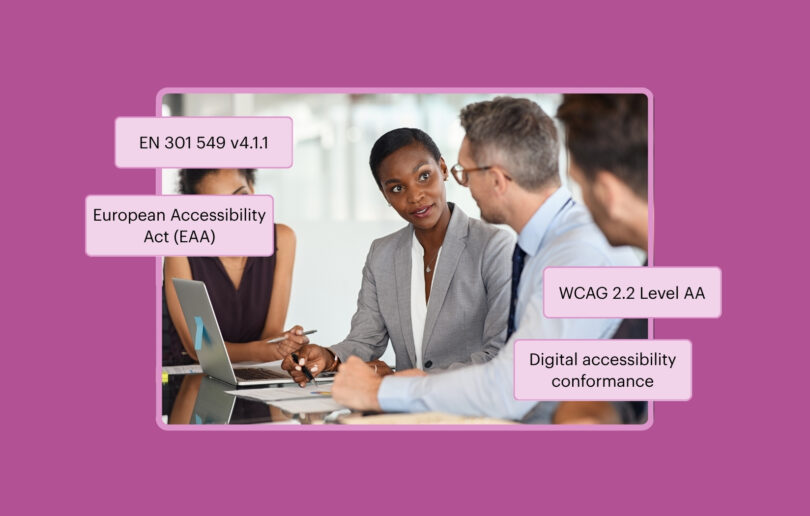
The European Accessibility Act (EAA) is law as of this weekend, and we’ve entered an entirely new era of accessibility. This transformation couldn’t have come at a more profound time. Even as we see sweeping global impact at the regulatory level, we’re also witnessing groundbreaking advancements in technology that are changing the world faster than we could have imagined.
This confluence makes for one of the most critical moments in the history of digital accessibility. The mission has always been ethically sound. But now, with the EAA redefining the global legal landscape—and with AI and automation rewriting the rules of what’s technologically possible—we have a historic opportunity to fully establish digital accessibility, alongside privacy and security, as an essential business practice.
To meet this moment and achieve this transformation, we must democratize digital accessibility and make it easy for organizations to achieve compliance. That means eliminating friction—removing the obstacles that slow down development and impact velocity. Digital accessibility is core to our digital society and must be an integral part of software and content development. However, we must also recognize that this isn’t just a technology problem. Underlying policies and processes must be addressed as well.
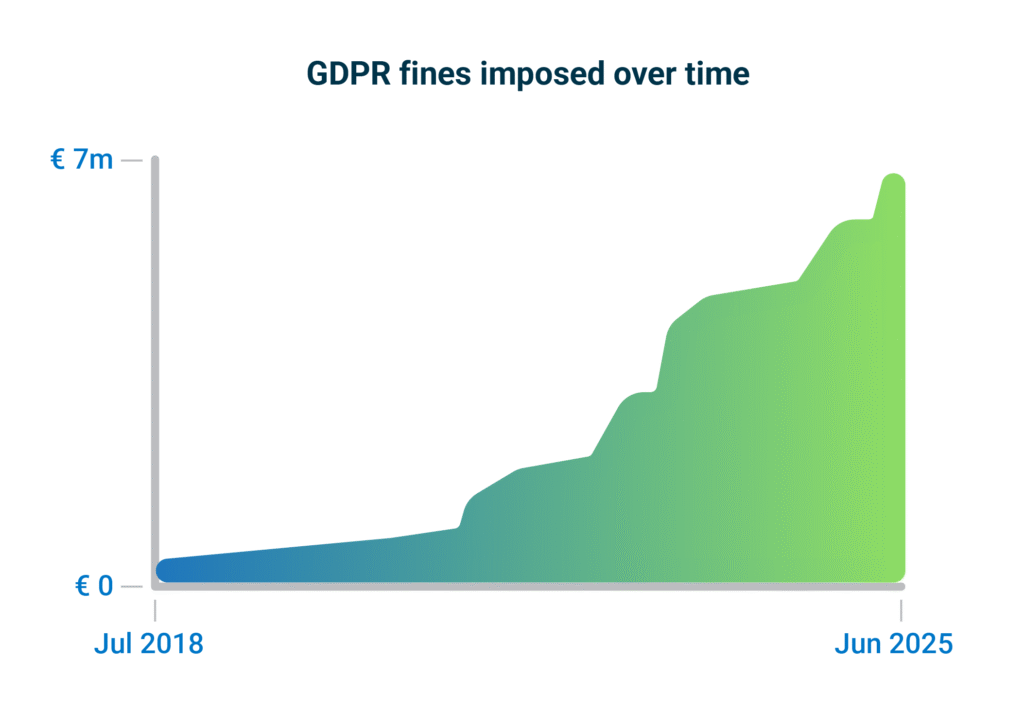
There is precedent for how to proceed. GDPR showed us that playing regulatory catch-up can be expensive and disruptive. It’s far better to get ahead. And to be blunt, there is real risk in underestimating the scope and complexity of EAA compliance.
Fortunately, the benefits of digital accessibility are undeniable. Millions of people with disabilities all over the world can be your loyal customers if you simply ensure that your products and services are accessible to them. And as our global population ages, accessibility needs are going to increase exponentially. Plan for this now if you want to be ahead of the curve. And let’s not just focus on the carrot—there’s the stick to consider as well. The fines for failing to comply are very real. Reputational backlash can be brutal. Losing customers erodes your bottom line. There is even jail time in some countries for non-compliance.
For all these reasons and more, I believe digital accessibility is a board-level issue now. It needs to be.
To my fellow CEOs: you have my support—and my understanding. I know that organizational transformation isn’t easy. But you have crucial tailwinds behind you. And you have partners like Deque to help guide you as you grow your digital accessibility practice and work to achieve long-term compliance.
I was recently asked what advice I would give to a CEO just beginning to assess their exposure under the EAA. My answer was this: Don’t get bogged down in the fine print of what’s in scope and what’s not. That’s a losing battle. Instead, focus on practical realities and fundamental questions.
Where are your risks? What tools do you need? How can you ensure that your digital accessibility processes are efficient, effective, and sustainable?
This is where partnership matters. You need experts who can help you integrate accessibility into every stage of content creation and development. That way, you’re not just fixing issues—you’re preventing them from happening in the first place. You need a holistic approach that delivers expertise, automation, and training (the EAT model) in a single solution. And you need advanced AI and automation capabilities to scale successfully.
Choose your digital accessibility partner wisely. The stakes are high, and the rewards are undeniable.
We have worked with hundreds of companies over the years to build their digital accessibility programs. While each company’s needs were different, there were common threads running through every success story: strong governance, accountability, and transparency. Now, there is something else we can add: AI and automation. Given the speed and scale of digital content creation today, there is simply no sustainable path to long-term compliance without advanced automation.
If the EAA is what makes digital accessibility essential, AI is what makes it executable.
Responsible AI-powered digital accessibility tools can streamline accessibility compliance. We can automate repetitive testing tasks, provide expert remediation suggestions, and instantly make accessibility knowledge available when and where it’s needed most. This allows your teams to focus on the most complex accessibility challenges and enables a more proactive, scalable approach to compliance.
Going forward, the EAA is the law in all 27 EU countries. It impacts any organization selling into the EU, even if your business is based elsewhere. And the EAA is already inspiring similar efforts elsewhere around the world. The truth is that accessibility is a human right, and every business must embrace it. It’s not a matter of if—or even when. The only question is how.
And you do have a choice.
You can be reactive, inviting risk of all kinds—financial, legal, reputational—and losing time and money to costly and inefficient after-the-fact fixes. Or, you can be proactive, using innovative tools and products to get and stay compliant for the long-term, building a culture of inclusion, and embedding digital accessibility best practices from the start.
The choice is clear. The time is now.