Kategorie: Einhaltung der Barrierefreiheitsvorschriften
Holen Sie sich die neuesten Ressourcen zur Einhaltung der Vorschriften zur digitalen Barrierefreiheit, um Ihre Bemühungen voranzutreiben.
How to choose the right VPAT approach for your organization (and whether you should use AI to complete your ACR!)

In this post, I’m going to discuss why accuracy matters for digital accessibility in an era of evolving global standards and increased regulatory scrutiny. I’ll explain where and how VPATs and ACRs fit into your accessibility strategies, and what you need to know before making any decisions about AI use.
Artikel lesen
Find Label in Name issues in every scan with Axe-core 4.14.0

With our latest update, when you scan with Axe-core 4.14.0, you’ll now get a result for any control whose accessible name doesn't contain its visible label. This Axe-core release also speeds up scans, makes fix instructions clearer, and begins support for EN 301 549 v4.1.1, the pending update to the European Union’s (EU) harmonized standard for accessibility requirements.
Artikel lesen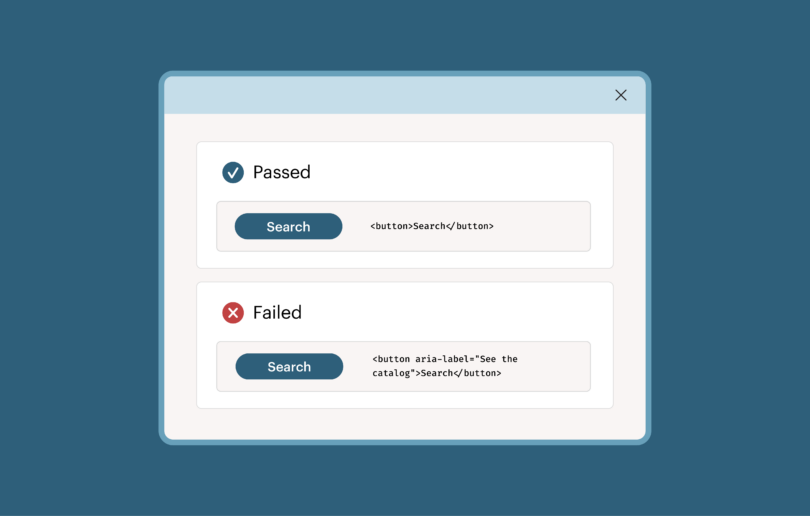
EN 301 549 v4.1.1 is final! What changed, what it means, and what you should do.

On September 2, 2026, EN 301 549 v4.1.1 was officially published. This represents a major update to Europe’s accessibility standard for ICT products and services, and it’s a big milestone. But in practice, it’s only the first step along a three-point timeline.
Artikel lesen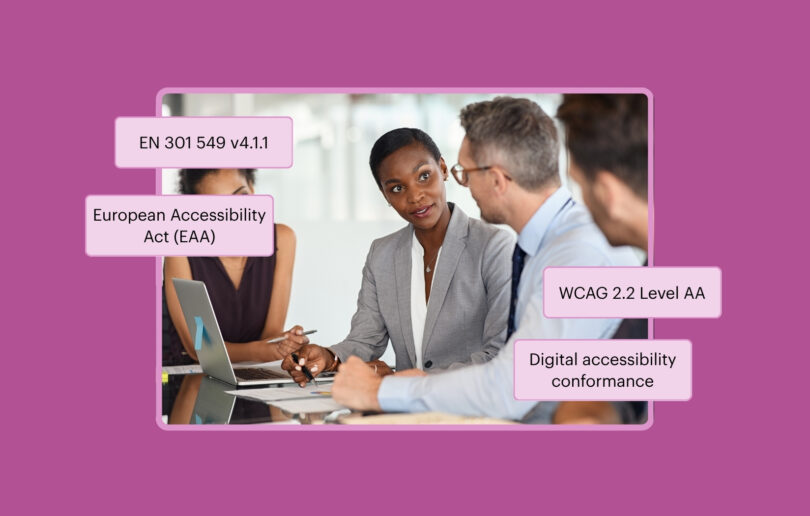
Die nächste Phase der Durchsetzung des ACA in Kanada: Sind Sie bereit?

There’s a new deadline looming for the Accessible Canada Act (ACA), and it’s a significant one. The work required to meet the new requirements is substantial, and you need to start now if your business is going to safely meet the new deadline.
Artikel lesen
Erstellen Sie hochwertige ACRs im VPAT-Format bis zu 90 % schneller

Mithilfe der ACR-Generierung in Axe Auditor können Sie direkt aus einem Audit ein ACR/VPAT erstellen, ohne die Informationen in einem anderen Tool erneut eingeben zu müssen.
Artikel lesen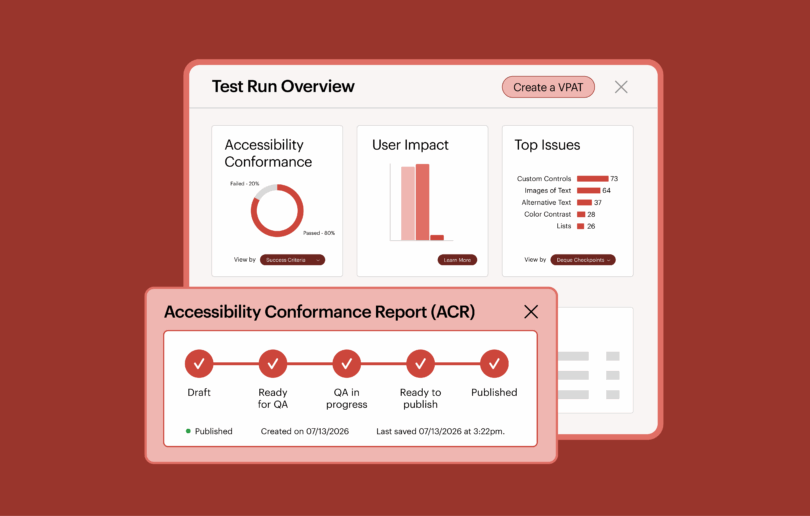
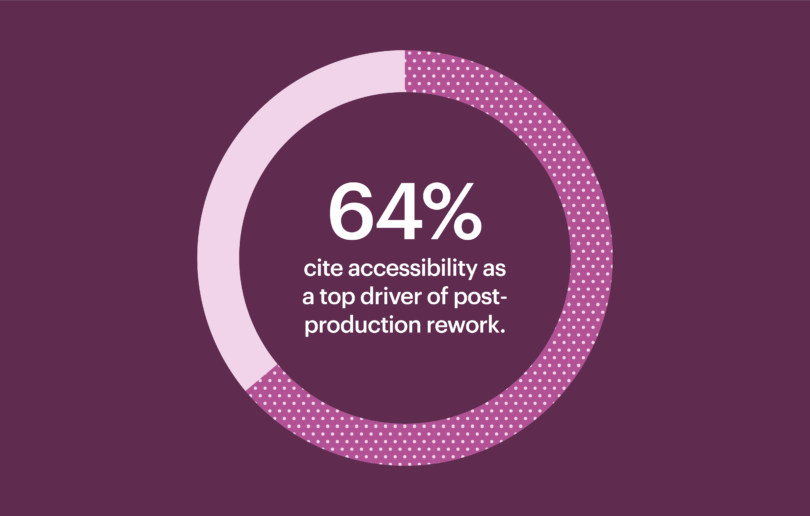
Eine neue Umfrage und ein Bericht von Deque zeigen, dass die Menge an KI-generiertem Code das Risiko einer „Barrierefreiheitsschuld“ erheblich erhöht.

Eine bahnbrechende Umfrage unter führenden Ingenieuren deckt eine große Kluft zwischen dem Vertrauen in KI-Code und der digitalen Barrierefreiheit auf, wobei die Risiken schneller zunehmen als die Validierungsinfrastruktur.
Artikel lesen