L'automatisation est la clé pour des tests d'accessibilité efficaces et abordables. En permettant aux équipes de développement d'automatiser une grande partie de leurs tests d'accessibilité, nous leur donnons les moyens de détecter les problèmes plus rapidement et de les résoudre avant même qu'ils ne se retrouvent dans le code source. Cela nécessite non seulement un outil précis et rapide, mais aussi un outil capable de suivre le rythme auquel les équipes de développement adoptent de nouveaux outils et environnements de test toujours plus performants. À ce propos, l'équipe d'Deque a le plaisir d'annoncer ses dernières intégrations : axe-puppeteer et attest-puppeteer.
Puppeteer est une bibliothèque Node.js permettant de contrôler Google Chrome. Grâce à Puppeteer, les développeurs peuvent créer des scripts pour ouvrir des pages, déclencher des événements, exécuter des tests et bien plus encore. C'est un outil idéal pour les tests automatisés et une alternative de plus en plus populaire à WebDriver.
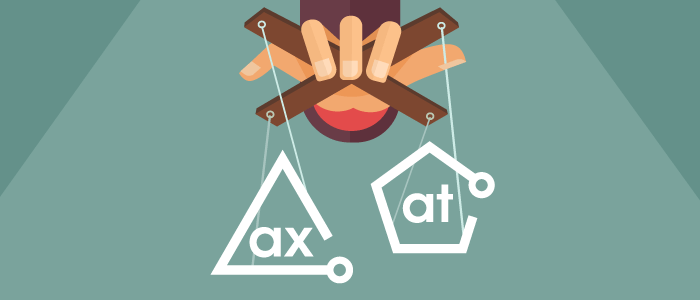
Marionnettiste à la hache
Axe-puppeteer est une extension pour Puppeteer qui utilise la dernière version de axe-core. Elle est disponible sur NPM et peut être installée en exécutant la commande suivante : npm install axe-puppeteer à partir de la ligne de commande.
Utilisation :
const { AxePuppeteer } = require('axe-puppeteer')
const puppeteer = require('puppeteer')

(async () => {
    const browser = await puppeteer.launch()
    const page = await browser.newPage()
    await page.setBypassCSP(true)
    await page.goto('https://dequeuniversity.com/demo/mars/')

    const results = await new AxePuppeteer(page).analyze()
    console.log(results)

    await page.close()
    await browser.close()
})()
Vous trouverez d'autres intégrations disponibles sur notre page dédiée aux intégrations Axe ainsi que sur notre liste de projets utilisant axe-core sur GitHub.
Marionnettiste certifié
Attest-puppeteer s'appuie sur axe-puppeteer et intègre toutes les fonctionnalités habituelles que vous êtes en droit d'attendre d'Attest, notamment :
- Plusieurs référentiels, tels que les WCAG 2.0, la Section 508 et Dev-min.
- Prise en charge de la personnalisation et de l'enrichissement des ensembles de règles.
- Diverses fonctionnalités de génération de rapports, telles que HTML, JUnit XML, SonarQube**.
Attest-puppeteer est disponible pour les clients de WorldSpace Attest et nécessite un accès via Agora, le registre de paquets d’ Deque. Attest-puppeteer sera publié en même temps que les mises à jour d’autres projets Attest Node dans le cadre de la version 2.6.0. La documentation destinée aux clients concernant Attest-puppeteer est disponible dans le guide d’utilisation d’Attest HTML 2.6 (connexion requise).
Pour en savoir plus sur WorldSpace Attest, rendez-vous sur deque.com/tools/worldspace-attest/. Pour toute question concernant WorldSpace Attest, vous pouvez envoyer un e-mail à support@deque.com.
**SonarQube a supprimé des composants essentiels au bon fonctionnement du plugin Attest SonarQube. Deque n'envisage pas de remanier le plugin SonarQube dans un avenir proche. À compter du 23 juillet 2019, Deque ne distribuera plus le plugin Attest SonarQube et n'assurera plus son support.**