Bienvenue à nouveau dans « Accessibility Reads » ! Merci de vous joindre à nous pour découvrir certaines des actualités les plus intéressantes et les plus importantes du domaine de l'accessibilité.
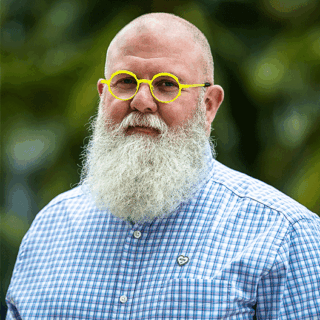
Si vous vous demandez ce que nous lisons sur Deque, regardez ma vidéo ci-dessous, dans laquelle je parle de certaines histoires en particulier et j'explique pourquoi j'ai voulu vous les recommander.
Avez-vous une histoire que vous pensez que nous devrions lire ? N'hésitez pas à la partager sur les réseaux sociaux et pensez à nous taguer ! Vous pouvez également laisser un commentaire sous cet article.
Articles à la une
Halloween approche à grands pas : faisons en sorte que cette fête soit accessible à tous afin que chacun puisse y participer ! Au Canada, l’initiative « Treat Accessibility Halloween » a vu le jour en 2017 sous la forme d’un mouvement citoyen lancé chez le fondateur. En 2020, l’objectif était d’atteindre 40 000 foyers participants. Pour 2025, ils visent les 400 000 ! Ils ont également élargi le concept pour inclure des « villages d’Halloween » comme celui-ci à Ottawa. Leur programme propose des conseils pour organiser votre Halloween, faire passer le message et même mettre en place des campagnes de pancartes de jardin. (Ils sont d’ailleurs à court de pancartes pour 2024, mais j’espère qu’avec un peu d’ingéniosité et d’esprit de bricolage, vous pourrez fabriquer les vôtres pour cette saison !) Pour en savoir plus sur la manière de rendre Halloween accessible, consultez les articles « Cinq conseils pour rendre votre Halloween accessible », « Conseils pour créer un Halloween accessible à tous » et « 13 conseils pour rendre Halloween plus accessible et inclusif ».
En parlant de fêtes, à l’occasion du Mois national de sensibilisation à l’emploi des personnes en situation de handicap (NDEAM), j’ai souhaité partager l’article intitulé « Pourquoi la philanthropie continue-t-elle de négliger le financement en faveur des personnes en situation de handicap ? », qui examine pourquoi les engagements pris par les fondations pour soutenir les actions en faveur des personnes en situation de handicap n’ont pas débouché sur une augmentation significative des investissements. Par ailleurs, le programme « Rising Influencers with Disabilities » de Google a réalisé une superbe vidéo pour nous montrer comment ses participants utilisent les fonctionnalités d’accessibilité de Google Meet dans le cadre de leur travail, comme les sous-titres pendant les appels et le regroupement des fenêtres.
Pour finir, parlons de la ville de Wichita, au Kansas. Pourquoi ? Eh bien, la ville a récemment remanié son site web officiel. D'accord, ce n'est peut-être pas très intéressant en soi, mais ce qui s'est passé ensuite l'est. Dans l'article intitulé « Certains affirment que le nouveau site web de la ville de Wichita pose encore des problèmes aux personnes en situation de handicap », le lecteur apprend, de la bouche de défenseurs de l'accessibilité, qu'il reste encore du travail à faire — au point que les nouvelles fonctionnalités d'accessibilité censées aider l'utilisateur l'empêchent en réalité d'accéder au contenu proprement dit.
Plus d'articles
Vous trouverez ci-dessous quelques liens supplémentaires vers des récits passionnants qui, selon moi, méritent vraiment d'être découverts :
Utilisez votre iPhone plus confortablement lorsque vous êtes passager dans un véhicule
La dernière fonctionnalité d'accessibilité d'Apple concerne les mouvements. Activez la fonctionnalité « Indicateurs de mouvement du véhicule » pour afficher à l'écran des indications susceptibles de réduire le mal des transports.
Network Rail a sous-utilisé de 99 millions de livres sterling son budget consacré au programme d’accessibilité au cours des cinq dernières années
Le programme « Access For All » de Network Rail vise à rendre toutes les gares accessibles sans marches grâce à l’installation d’ascenseurs et de rampes d’accès, ainsi qu’à d’autres aménagements. Cependant, les données obtenues par NCE révèlent que, alors que Network Rail avait alloué 383 millions de livres sterling aux projets d’accessibilité pendant la période de financement, l’entreprise n’en a dépensé que 284 millions, soit un déficit de 99 millions de livres sterling.
Des personnes aveugles manifestent contre Uber et Lyft à San Francisco, dénonçant une discrimination
À la suite de deux enquêtes menées par la cellule d’investigation de NBC Bay Area, des centaines de personnes légalement aveugles ont manifesté devant les sièges sociaux d’Uber et de Lyft, affirmant que ces applications de covoiturage faisaient preuve de discrimination à leur égard. La Fédération nationale des aveugles a organisé le rassemblement de mardi.
Six entreprises irlandaises sur dix ne sont « pas prêtes » pour la loi européenne sur l’accessibilité
Selon une nouvelle enquête menée par Mason Hayes and Curran, environ six entreprises irlandaises sur dix ne sont pas prêtes pour la loi européenne sur l’accessibilité, qui entrera en vigueur en juin 2025. D’après le rapport, environ 62 % des personnes interrogées n’ont pas réalisé d’audit d’accessibilité afin d’identifier les domaines concernés par cette loi.
De nouvelles mises à jour de l'article 504 clarifient les obligations en matière de non-discrimination et d'accessibilité
À compter du 11 mai 2026, les entités concernées comptant au moins 15 salariés devront veiller à ce que l'ensemble du contenu de leurs sites web et applications (y compris les bornes interactives) soit conforme aux normes WCAG 2.1AA.
La FAA s'apprête à définir les critères de sécurité relatifs aux fauteuils roulants en cabine
La FAA s'emploie actuellement à définir les critères nécessaires pour permettre à un passager de rester dans son fauteuil roulant personnel pendant le vol grâce à un système d'arrimage. Cette démarche de la FAA s'inscrit dans la lignée d'un engagement pris précédemment par le secrétaire américain aux Transports, Pete Buttigieg, qui avait assuré que le ministère des Transports travaillait à l'élaboration d'une future réglementation permettant aux passagers de rester dans leur propre fauteuil roulant pendant le vol.
Accessibilité au niveau fédéral : l'OMB assure le suivi de la mise en œuvre par les agences de ses recommandations relatives aux technologies de l'information et de la communication
Ce rapport résume l'évaluation réalisée par la GSA ainsi que les recommandations de l'OMB, et décrit la manière dont l'OMB assure le suivi de la mise en œuvre de ses recommandations par les agences, ainsi que les rôles respectifs de la GSA, du DOJ et de l'Access Board dans ce suivi.
«Out of My Mind »
« Out of My Mind » sortira sur Disney+ le 22 novembre 2024. Le film raconte l’histoire d’une jeune fille prénommée Melody, atteinte de paralysie cérébrale, qui interagit avec le monde qui l’entoure à l’aide d’un appareil de communication. Ce film nous rappelle à quel point l’accessibilité et l’inclusion sont importantes.
La lecture recommandée de cette semaine
Si vous ne deviez lire — ou écouter — qu’une seule chose cette semaine, je vous recommande :
Redéfinir la représentation dans l’actualité consacrée au handicap.
Ce podcast propose une interview de Peter Torres-Fremlin, le visionnaire à l’origine de « Disability Debrief ». Il y explique comment est née cette plateforme dédiée à l’information sur le handicap. L'entretien aborde également les questions fondamentales relatives à l'exactitude des données sur le handicap, ainsi que l'importance de la transparence et de la responsabilité au sein de la communauté. Peter et les animateurs mènent une discussion qui donne à réfléchir sur la fiabilité des statistiques largement citées, telles que le chiffre de 15 % avancé par l'Organisation mondiale de la santé, et examinent les implications de ces données sur les politiques publiques. En analysant l'adoption mondiale et les débats autour de méthodologies telles que les questions du Washington Group, ils mettent en lumière la manière dont des données précises peuvent influencer la compréhension de la société et les processus décisionnels.
Contenu bonus !
Mes clients et les concepteurs me demandent régulièrement de leur proposer de bons exemples de design de qualité qui soient également accessibles. Ce n'est pas facile à sélectionner, mais cet article présente quelques exemples « avant/après » très instructifs. Découvrez l'article « Comment une approche de conception ascendante améliore l'accessibilité d'un site ».
Conclusion
Merci de m'avoir suivi dans cette édition d'« Accessibility Reads » ; ne manquez pas notre prochain épisode. En attendant, n'hésitez pas à vous rendre surdeque.compour en savoir plus sur la manière dont nous faisons progresser l'accessibilité numérique et l'inclusion à travers le monde.
Votre entreprise est-elle prête à faire passer ses efforts en matière d'accessibilité numérique au niveau supérieur ?Prenez rendez-vous dès aujourd'hui pour une séance de conseil stratégique gratuite!