It’s quick, easy, and free!
Check your inbox to activate your account.
We sent a verification link to your email. Click it, then sign in with the password you just created. The link expires in 48 hours.
Don’t have an account? Register for free!
We'll send a reset link to your email.
Enter the email address for your account and we'll send you a link to reset your password.

Pronouns: He/him
Mark Stimson is a leader in digital accessibility with a passion in making healthcare and wellness fully inclusive using technology. With 25 years of digital accessibility experience and a doctorate in cognitive psychology, Mark strives to reduce health disparities for persons with disabilities using digital innovation.
Mark has been leading the digital accessibility effort at Kaiser Permanente for 14 years and is currently the Director for the Digital Accessibility Program. His team coordinates the accessibility effort between designers, developers, testers, procurement, legal, and ADA coordinators. Mark’s philosophy of leadership is to make it easy to do the right thing and make accessibility a part of everyone’s role through education, policy, and process.
Mark lives in San Mateo, California, with his wife, son, and two cats, where he enjoys swimming, bicycling, listening to alternative music, and going for long walks.
Pronouns: He/Him
Matthew Luken is SVP, Global Programs & Regulatory Affairs; European Partnerships at Deque, consulting with companies of all sizes, markets, and industries to grow their digital accessibility programs. Matthew also provides thought leadership to advance the profession and practice of digital accessibility and mature and maximize operations, processes, and outcomes.

Matt King is a groundbreaking engineer and a champion for software accessibility. As the first blind engineer at Facebook (now Meta), he works to ensure that technology is designed for everyone, including people with disabilities.
Pronouns: She/Her
Megan Pletzer has a diverse and extensive work experience in the field of digital experience and product management. Megan currently works at Deque Systems, Inc as a Senior Product Manager, Mobile. Prior to this role, Megan worked at UW Credit Union for several years, where they held various positions including Director of Digital Experience, Digital Product & Experience Manager, Lead UI Designer & Front-End Developer, and Full-Stack Web Developer & Designer. Megan was responsible for setting and executing digital product strategy, leading cross-functional teams, and designing and developing member-facing apps, online banking platforms, and websites. Megan also worked at Bethesda Lutheran Communities as a Full-Stack Web Developer & Designer.
Megan Pletzer attended the University of Illinois Urbana-Champaign from 1998 to 2002. During this time, they pursued a Bachelor of Fine Arts (BFA) degree with a specialization in Graphic Design.
Read more about Megan’s talk here: “The Next Generation of Automated Accessibility Testing for Mobile Apps“
Pronouns: He/him
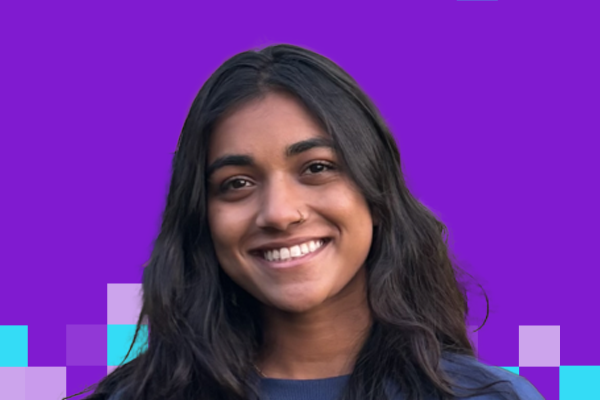
Pronouns: She/Her
Nitya Baddam is an iOS Engineer at Deque Systems, passionate about making technology usable for everyone. As part of her work at Deque, she develops axe DevTools Mobile, an accessibility testing framework for iOS apps. Nitya has also authored a course for Deque University on building accessible experiences in native iOS apps, delivered talks on mobile accessibility, and is excited to continue sharing her practical insights with the developer community. In her spare time, she enjoys sewing, knitting, and pottery making!
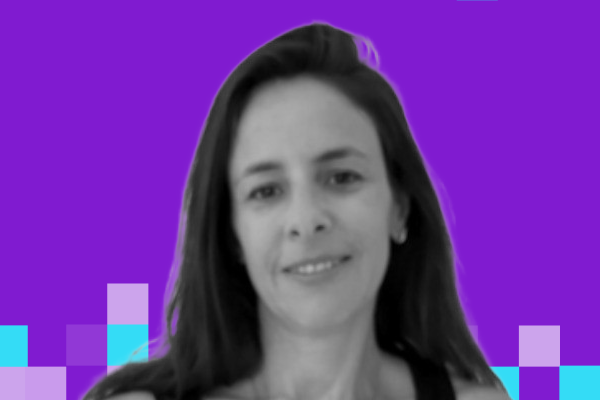
Pronouns: She/her
Noa Nitzan is an accessibility expert at Wix, a certified accessibility consultant, and a UX designer. She is an occupational therapist by profession, with expertise in assistive technology and inclusive design. She has extensive experience working directly with people with disabilities, alongside work in the industry developing products that promote accessibility and inclusion. Throughout her career, Noa has focused on connecting inclusive design, UX, and innovation, bridging human needs, design, and technology to create better experiences for everyone.
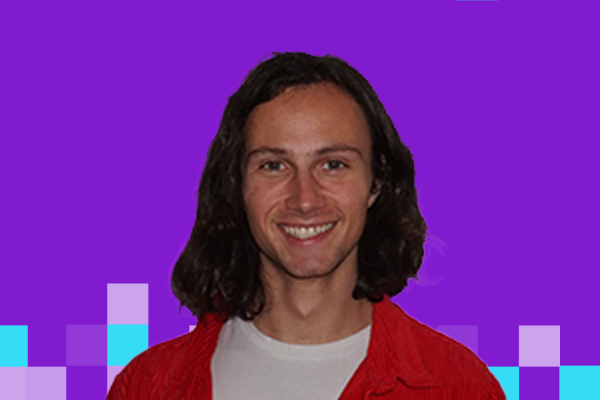
Pronouns: He/Him
My name is Noé Barrell, the Machine Learning Engineer here at Deque Systems. For more than three years, I have been working on developing machine learning methods that help us further accessibility testing through our Intelligent Guided Tests.
Watch Noé ‘s axe-con 2024 talk here: AI Systems for Accessibility.

Pronouns: He/Him
Otto is an attorney with Winston Taylor. His primary expertise is technology – everything from technology transactions, negotiations and litigation to advising on new technologies and digitalisation, but also data protection and commercial use of personal data. Since the implementation of the European Accessibility Act, Otto has been actively promoting digital accessibility, speaking on the subject in various presentations, webinars, and – together with Deque – at last year’s WebSummit in Lisbon.
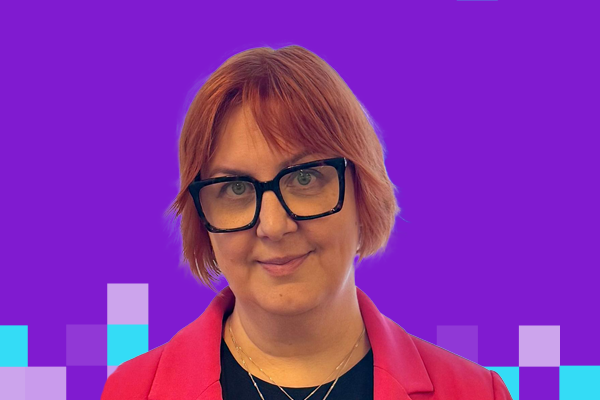
Pronouns: She/her
Driving the implementation of inclusive design and digital accessibility across the IKEA value chain. Leading strategies that ensure digital products are usable and meaningful for everyone, partnering with teams to embed accessibility from early ideation through to delivery.
As an openly neurodiverse leader, she brings lived experience that fuels empathy, authenticity, and innovation. She champions transparency and psychological safety as the foundation for inclusive cultures and believes that truly accessible products begin with inclusive teams.
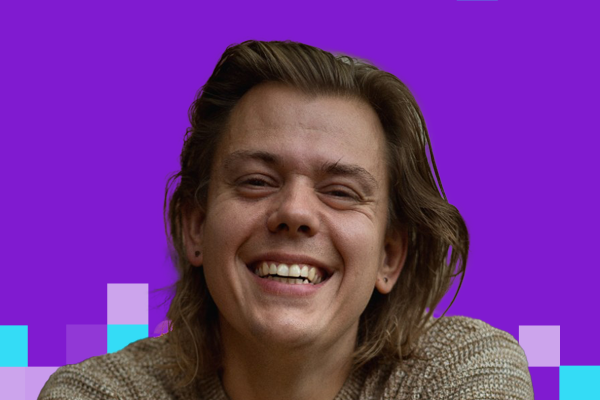
Pawel is an Accessibility Lead Designer at Atlassian with over 20 years of design experience, focusing on integrating accessible design practices across their global design teams. In his free time, he’s a Zumba instructor, bringing energy and fun to his classes!
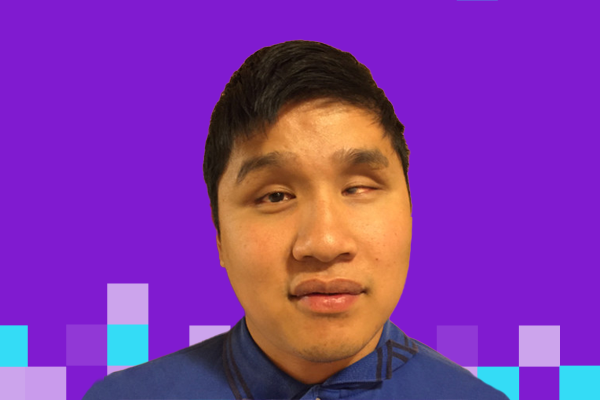
Peter leads the Standards and Practice team within the Thomson Reuters accessibility program. He has nearly 20 years of experience in technology in the public and private sectors, from technology to ADA compliance, consulting, and digital accessibility roles. He is a court-recognized expert witness, having worked on national-level disability rights cases. As a disabled professional, he firmly believes in the value of digital access for all.
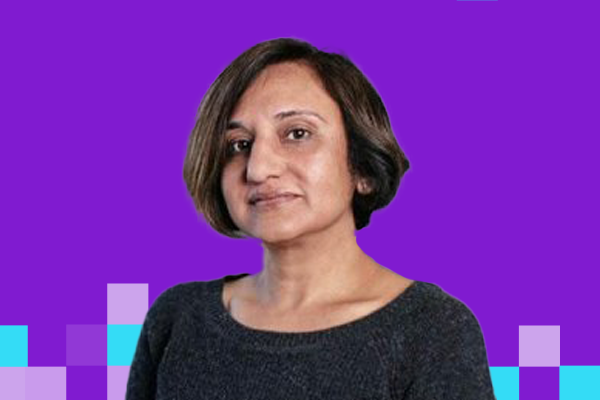
Pronouns: She/Her
Preety is the CEO of Deque Systems and founded Deque in 1999 with the vision of unifying Web access, both from the user and the technology perspective. Under Preety’s leadership, Deque has grown to be a market leader in the field of information accessibility, serving corporate and government clients with the highest standards in information technology, such as Veteran Affairs, Department of Education, Humana, Intuit, HSBC, Target, and others. She collaborated with the W3C Web Accessibility Initiative and is a nominated member of the Accessibility Forum’s Strategic Management Council: a GSA-sponsored group with representatives from the IT industry, academia, Government Agencies, and disabled user groups that foster information accessibility through mutual cooperation.
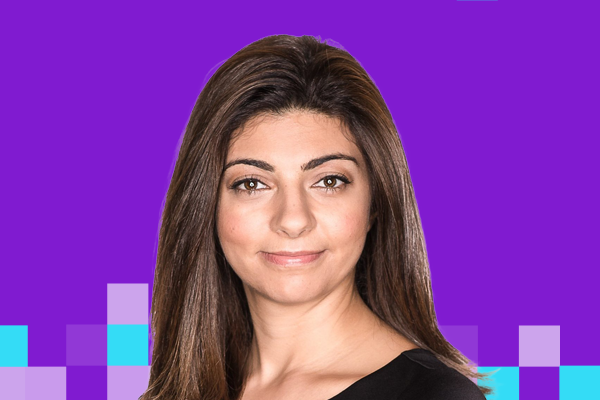
Rana is a pioneer in Artificial Intelligence, scientist and entrepreneur turned AI investor, founder and CEO with a track record of innovation and investing in disruptive AI-first startups. Rana is co-founder and General Partner at Blue Tulip Ventures, an early-stage venture firm that invests in startups building Human-Centric AI – AI that is good for people, good for the planet and is ethical. In 2022, Rana co-founded AI Operators Fund, an early-stage fund and invested in 40 AI-first companies. Rana is also a venture partner at BOLD Capital Partners (Peter Diamandis’ fund) as well as an angel investor. As a well-recognized expert in AI, Rana has exclusive access to disruptive AI startups and has decades of AI experience to support these startups in their growth and ability to drive significant returns. Prior to Blue Tulip Ventures, Rana was a founder and CEO of MIT spin-out Affectiva, which she sold in 2021. Rana is also an executive fellow at the Harvard Business School and co-chair of the Fortune Brainstorm AI conferences. Her best-selling memoir, “Girl Decoded: A Scientist’s Quest to Reclaim Our Humanity by Bringing Emotional Intelligence to Technology,” was published by Penguin Random House in 2020. Rana has been recognized on Fortune’s 40 Under 40 list, Forbes’ Top 50 Women in Tech, and Boston Globe’s Top 50 Tech Power Players. She holds a Ph.D. from the University of Cambridge and a Post Doctorate from MIT.
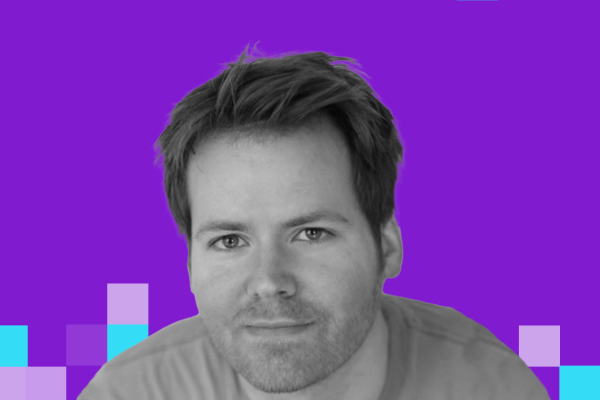
Pronouns: He/him
Ryan is Director of CX/UX Advisory Services at Wolters Kluwer, where he focuses on scaling accessibility and design system practices across complex product organizations. His work centers on creating shared interaction models, strengthening reusable UI foundations, and supporting cross-discipline collaboration between business, engineering, and user experience design. Drawing on experience in interaction design and creating design systems, his work supports teams in integrating accessibility testing earlier in the product development process through practical guidance, prototyping, and community learning. He works to make accessibility a routine part of how products are designed and built.
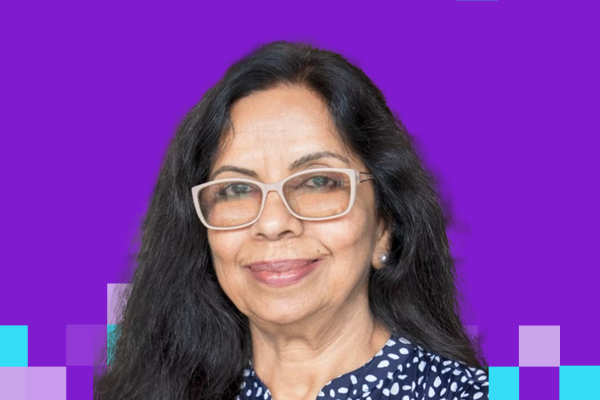
Dr. Sambhavi Chandrashekar is Global Accessibility Lead at D2L, where she drives disability inclusion as a business growth strategy—enabling market expansion, regulatory compliance, and revenue acceleration for education partners worldwide. A former faculty member at the University of Toronto and other Canadian universities with 10+ years in inclusive design teaching and graduate research supervision, she now bridges academic rigour with executive impact through her Shift-up Accessibility framework, shaping how global institutions turn accessibility into competitive advantage.
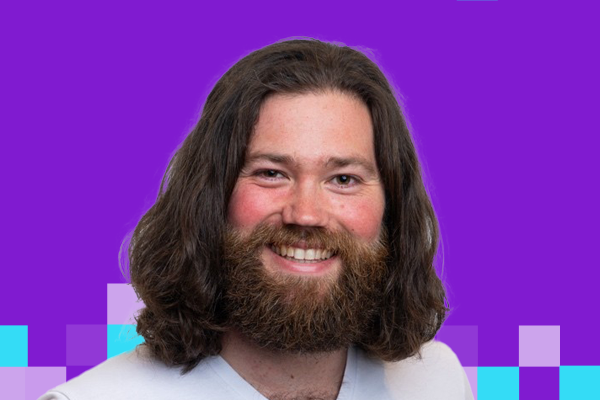
Sam Smith leads accessibility at Coinbase. Focused on user first accessibility with an emphasis on usability. Sam has been creating and building accessibility programs for 8+ years. Located in San Francisco, CA Sam enjoys being outside, swimming, and cooking.
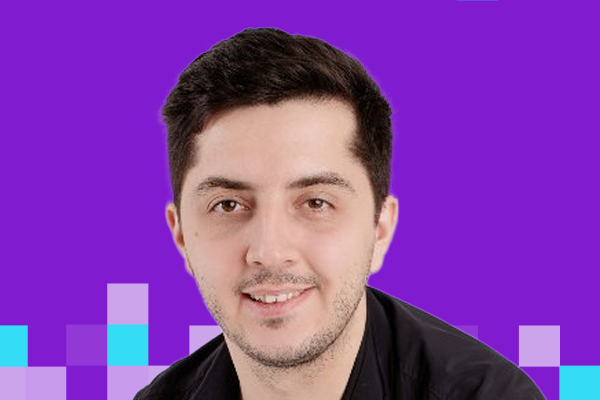
Stefan joined Adobe in 2020 and became part of the Spectrum team in 2023, where he champions accessibility and serves as a leading voice for inclusive design. He brings deep expertise in accessibility, contributing to the development of WCAG 3.0 and working closely with Adobe’s Product Equity team. Passionate about supporting people with neurological and developmental disabilities, Stefan strives to ensure Spectrum 2 embraces individuality, flexing and adapting to each person’s unique needs and preferences. Outside of design systems, he enjoys caring for his son, playing Crusader Kings III, and taking long walks in the park with his dog.
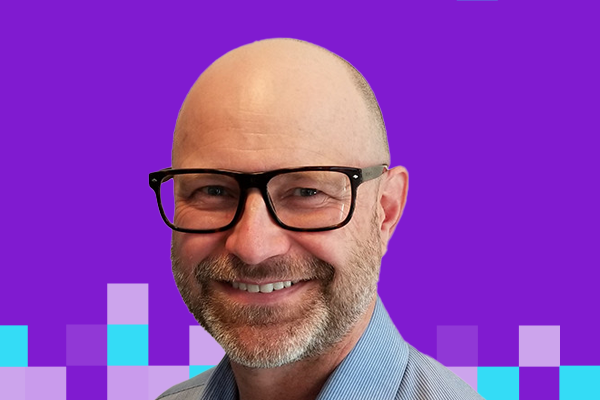
With over 25 years of experience helping organizations and companies achieve their accessibility goals, Stephen brings deep expertise and personal passion to his work. Throughout his career in IT consulting, he led accessibility programs that focused on making technology more inclusive, working closely with individuals who are Blind, Deaf, or have physical disabilities. His first-hand experience with how People with Disabilities use the web has shaped his approach to accessibility as both a technical and human-centered practice.
Stephen joined Cvent about four years ago and now serves as Senior Manager for Accessibility. In this role, he is dedicated to ensuring that Cvent’s products are not only compliant but also truly usable and enjoyable for attendees with disabilities.
Accessibility is also deeply personal for Stephen. He has Tourette’s syndrome, his mother was an amputee, and he grew up with two cousins who used wheelchairs. These lived experiences fuel his lifelong commitment to building a more inclusive digital world.

Pronouns: She/Her
Great design is where user needs and business goals meet. Stéphanie seeks to understand how to design user-centered, inclusive, and accessible products and services. She also writes articles, teaches design, and talks at tech events all around the world.
When Stéphanie is not designing, she enjoys drawing, riding my bike, playing video games, taking pictures of buildings, and exploring new cooking recipes.
Watch Stéphanie’s axe-con 2022 talk: “A designer’s guide to documenting accessibility & user interactions“
Pronouns: He/him
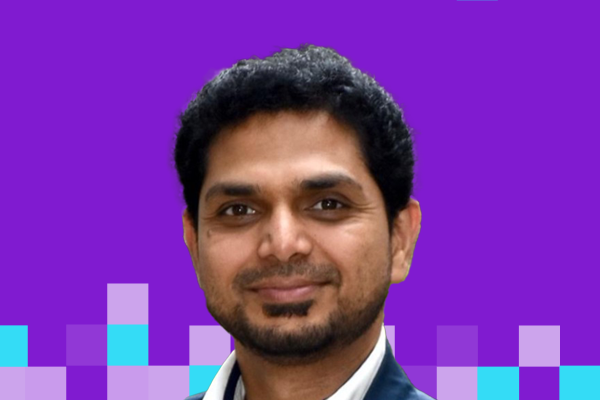
Sunil Kumar Suvvari is an Inclusive AI and Digital Accessibility leader specializing in enterprise accessibility governance within Agile transformation environments. He developed a Shift-Left Accessibility Governance Model adopted across multiple teams and hundreds of applications, significantly reducing accessibility defects. He has been promoting accessibility awareness globally, having touched 24 countries so far. Sunil is internationally recognized for leadership in “Tech for Good,” championing inclusion and universal design.

Todd leads Regions’ User Experience (UX) team, a group of designers, content strategists, user researchers, accessibility specialists, UX engineers and architects, presentation architects, motion graphic designers, and SEO specialists. By creating and establishing an environment of collaboration, divergent thinking, and trust, these high-performing teams drive innovation and user-centered design practices at the bank. The group’s scope includes researching and designing intuitive, pixel-perfect, and accessible web and mobile front-ends with realistic behaviors across channels, browsers, and devices. The team also runs the daily web strategy and production, collaborates with product owners, enterprise architects and senior leaders, directs innovation design sprints and focus groups to help the company better understand the needs of its customers.
A native of Alabama, writer/editor Todd Keith has written The Rivers of Alabama, and Cahaba: A Gift for Generations, two books of essays focusing on the rivers of his native state, as well as Old Cahawba, a history of Alabama’s first state capital. His most recent book, Inside Guide to Birmingham, was published by Globe Pequot Press in 2011. His previous book, Birmingham Then and Now, a look at the architectural history of his hometown, was published in 2009 by Thunder Bay Press and a second edition published in 2015.
After completing an MA in English and teaching freshman literature in the early 1990s, Todd taught English in Czechoslovakia, which led to an interest in travel writing. He has produced articles for magazines such as National Geographic Traveler, Coastal Living, Robb Report, and others, as well as edited SweetTea Journal, a custom publishing title about Northwest Florida produced by Southern Progress Corporation. A senior contributor with Executive Traveler magazine, he has covered diverse destinations such as Iceland, Grenada, Sweden, Argentina, South Africa, Switzerland, Mongolia, Spain, and others. He’s built and maintained websites for a number of enterprises, including Better Homes & Gardens, Thicket Magazine and Portico Magazine.
Specialties: UX leadership, design thinking, content strategy, web editorial and design, information architecture, travel writing, feature writing, editing, teaching ESL, script writing.

Pronouns: He/him
Tyler Williams is an Android Engineer at Deque Systems on the Axe DevTools Mobile team. As part of his work at Deque, he has done extensive research to become an expert in Android TalkBack behavior, allowing Axe DevTools for mobile to accurately predict TalkBack behavior. Outside of working for Deque, Tyler has past experience working for multiple start-up companies, creating both native Android (XML and Compose) and cross-platform (Flutter) solutions from the ground up.
Prior to transitioning to a career in software engineering, Tyler was a calculus teacher, where he fostered a mindset of concept learning, critical thinking, and problem-solving. In his spare time, Tyler enjoys playing board games, tennis, golf, hiking, and hanging out with friends.
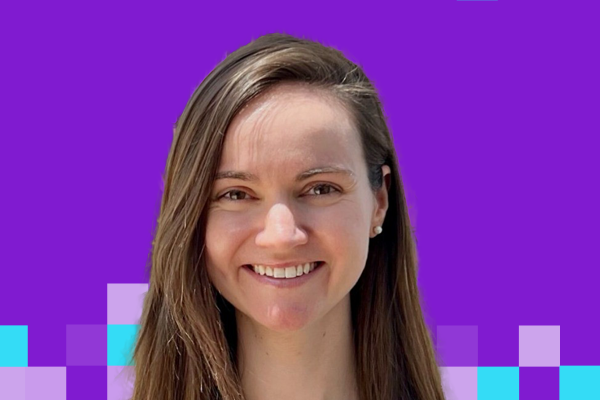
Victoria Polchinski is a Lead UX Researcher at Arizona State University, one of the largest universities in the United States. Guided by ASU’s charter, which states ASU is “measured not by whom it excludes, but by whom it includes and how they succeed,” she leads a UX Research practice that includes people with disabilities throughout the product development lifecycle.

Pronouns: He/Him
Wilco has been in the field of accessibility for 18 years, and is the product manager of Deque’s advanced rules, and previously of axe-core and axe linter. He has a leading role at the W3C as Deque’s advisory committee representative, facilitator of the ACT Task Force, and former project manager of WCAG 3.0. On behalf of Deque, Wilco managed the EU-funded accessibility projects WAI-Tools & WAI-Coop, and regularly does public speaking on various topics related to digital accessibility.
Watch Wilco’s 2024 talk here: “Future of accessibility guidelines”
Pronouns: She/Her
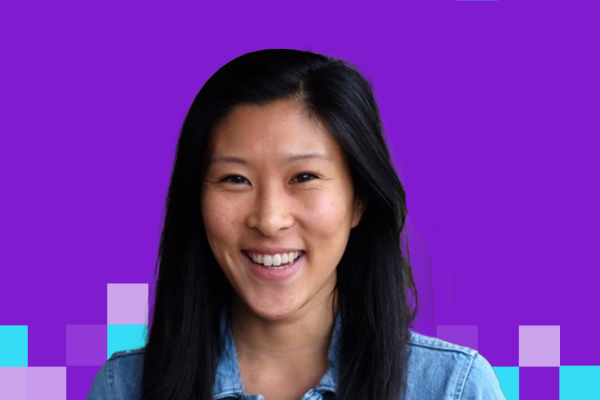
Ailsa is a Principal Program Manager at Microsoft working on Responsible AI with a focus on accessibility and inclusion. Ailsa recognizes the excitement about AI in the accessibility space and is passionate about ensuring this innovation stems from truly inclusive foundations. One example of her work is a co-creation project with developers with disabilities to ensure that Microsoft’s Azure AI Studio is accessible, so that everyone can be part of building and using the technology of the future.

Pronouns: He/him
With over a decade of experience in design, development, and testing, I am a Technical Manager at HCL, specializing as an Accessibility Consultant. I am passionate about advocating for a âshift leftâ approach, ensuring that products and services are accessible from the inside out. Having faced the challenges of inaccessible content myself, I strive to make things better for everyone.

Alejandro leads and coordinates EDFâs advocacy and policy work at EU level, and supports the work of the European Parliament Disability Intergroup. Among other areas, Alejandro has developed policy positions and recommendations regarding political participation of persons with disabilities, accessible Information and Communication Technologies, Assistive Technologies, and different standardization activities.
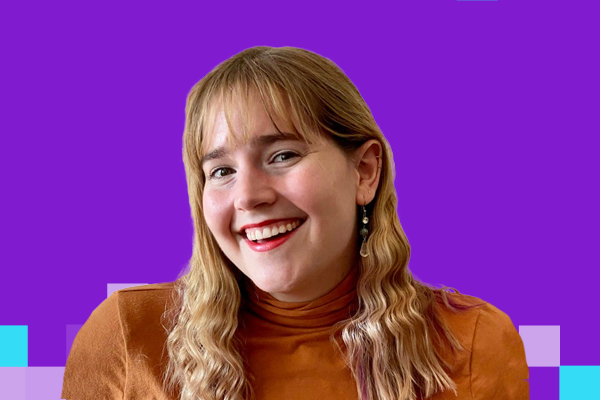
Pronouns: She/Her
Alexandra Klepper is a senior technical writer at Google, in Chrome Developer Relations. In this role, she writes documentation for web developers and the web community, primarily focused on AI and accessibility. She has been a web developer, a digital marketing manager, a post-production video editor, a professional stage manager, and a casual ukulele player.
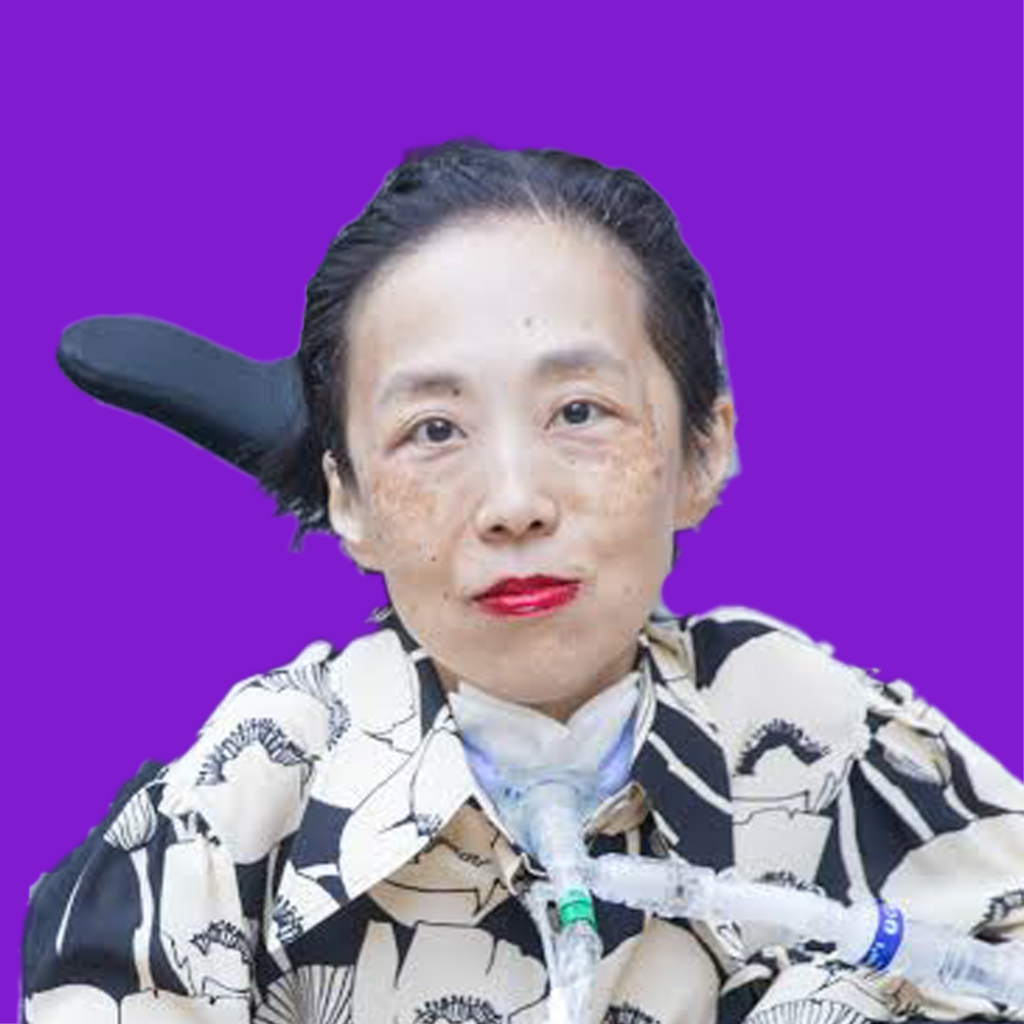
Alice Wong is a writer, editor, and disability justice activist cultivating a vibrant and diverse community of disabled people rooted in joy, abundance, mutual aid, and care. Wong is steeped in disability justice and uses the power of storytelling across various media platforms. She publishes personal stories that expose ableist attitudes, policies, and practices across a society that pushes disabled people to the margins. She also shares her own experiences navigating the world as a disabled person with a progressive neuromuscular disease.
In 2014, Wong founded the Disability Visibility Project (DVP) to amplify the unfiltered voices of disabled people and explore the intersections of race, ethnicity, gender identity, and disability. DVP began with an oral history project encouraging disabled people to interview one another. It has since expanded to include a podcast, a blog, social media, arts projects, and spaces for connection and community building. DVP centers disabled peopleâs perspectives around topics such as opioid addiction, sexual abuse, mental health, economic insecurity, and education. Wong has edited two essay collectionsâDisability Visibility: First-Person Stories from the Twenty-First Century (2020) and Disability Intimacy: Essays on Love, Care, and Desire (2024)âthat capture the diverse experiences of disabled people and the specific challenges faced by people of color, immigrants, and queer people who are disabled. Wongâs own writings highlight the shortcomings of systems of care available to people with disabilities. In op-eds, a column for Teen Vogue, essays on DVP, and her memoir, Year of the Tiger: An Activistâs Life (2022), she gives unflinching accounts of the challenges of living in the community with autonomy, rather than in an institution.
Wong has also brought broader attention to the widespread ableism and prejudice disabled people face and to the policies that adversely affect them, such as the ban on drinking straws and the disuse of masks in healthcare settings. She used hashtag activism, such as #PodSaveJon and #HighRiskCA, to create change and bring disabled people together in conversation. In 2016, she co-founded #CripTheVote, a nonpartisan online movement that engaged voters and politicians in productive discussions about disability issues in the United States. In another line of work, Wong has helped found organizations that provide material and professional development support to disabled people working in different industries. One such project is the BIPOC Disabled Filmmakers Coalition. With visionary and committed leadership, Wong highlights and supports the work of disabled people, builds relationships and collaborations within the disability community, challenges social and systemic ableism, and increases the political and cultural visibility of disabled people.

Pronouns: She/her
Alison Williams is a Lead UX Researcher who helps teams understand what users really need to shape better products and experiences. She has led research projects across both public and private sector for over 10 years. For the past year at Atlassian, sheâs championed research becoming an essential part of the design leadership on a company-wide usability program.
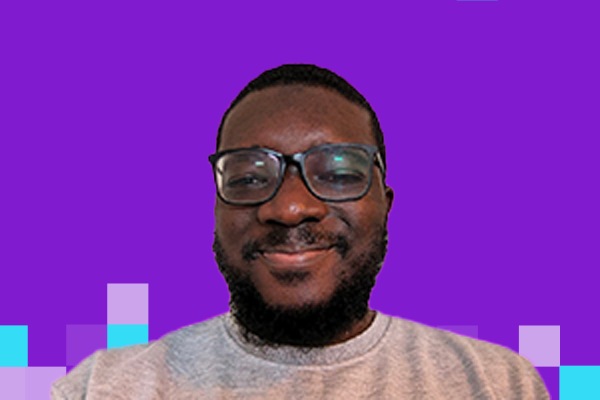
Pronouns: He/Him
Aliyu is a startup founder with a background in software engineering and cyber security. He has worked in several industries including telecoms, housing, edTech, FinTech and consulting. He started Fezzant to help organisations make cyber security trainings, programs and tools accessible. Aliyu has been an active voice in the niche and seeks to make it a mainstream topic in cyber security. He also co-founded CyBlack, a strong community helping to grow black cybersecurity talents. He was recently shortlisted as a finalist for the UK’s National Cyber Awards in the “Cyber Diversity Award” category.
Watch Aliyu’s axe-con 2024 talk here: “A11y in Cybersecurity Panel“

Pronouns: He/him
Al Nemec serves as the Digital Accessibility Program Manager at the Center for User Experience at the University of Wisconsin-Madison, where his passion for inclusive web design and digital accessibility shines through. With a rich background as an experienced web designer and developer, Al is dedicated to ensuring digital platforms are accessible to all users, embodying the Centerâs commitment to excellence in user experience. His expertise and leadership in the field drive the development of more accessible, user-friendly digital environments.

Technical Program Manager for the Accessibility team at Pluto TV. Forward-thinking operations and management professional, who believes the world should be inclusive and accessible to all. Strong believer in SAFe and scaled agile approach.
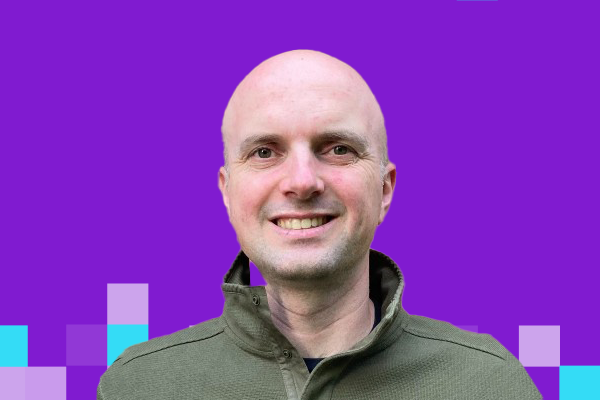
Preferred Pronouns: He/Him
Ben is a Senior Product Manager for axe DevTools Linter, axe DevTools APIs & CLI, and axe Developer Hub. Ben has 20 years of experience in building software and has been an accessibility program manager for 7.5 years, most recently at GitHub. While at PNC, Ben’s team was the inaugural winner of the axe-con “Accessibility at Scale Award” in 2021. Ben loves to learn and claims to be a lifetime student of Python, and more recently, ukulele. Sea Shanty anyone?
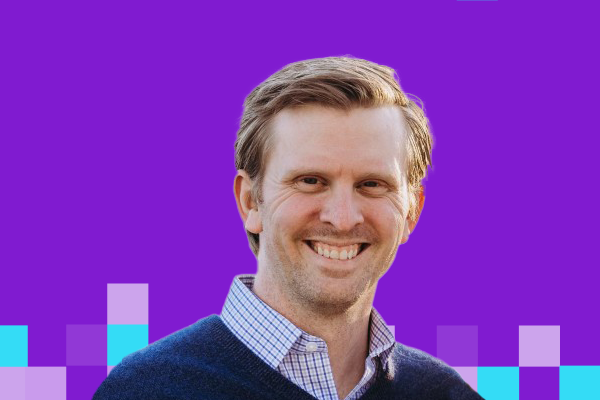
Pronouns: He/Him
Ben helps teams at ArcTouch create accessible and lovable experiences for phones, tablets, and smart things that connect deeply with customers.
He is driven by a mission to make digital products more accessible and inclusive for everyone. He works with world-class clients, ranging from Fortune 500 businesses to well-known brands and influential startups, to ensure their products are continually progressing towards the highest standards of both accessibility and usability to meet the evolving needs of all users.
Ben is a co-organizer of the A11yNYC Meetup and serves on the Board of Directors of the GAAD (Global Accessibility Awareness Day) Foundation. He is passionate about disability inclusion advocacy, sustainable accessibility coaching, and helping clients elevate their impact by reaching historically excluded customers.
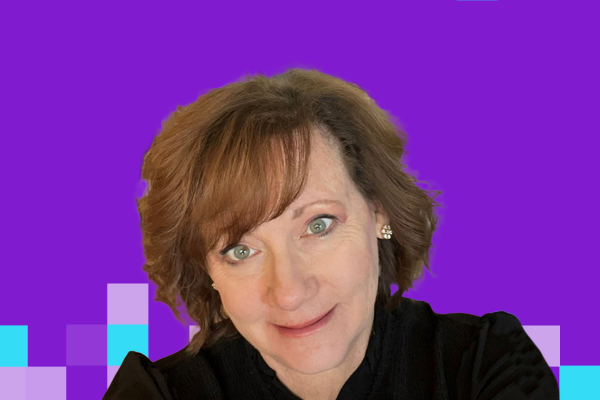
Pronouns: She/her
Dedicated, collaborative and knowledgeable IT professional with over 20 years of experience in professional consulting, strategic program management, financial services, Federal and state government, health care, higher education, adult learning, universal or accessible design and agile transformation. Passionate about creating solutions to key business problems, explaining accessibility in plain language and providing leadership to all levels of product development with the goal of identifying and removing access barriers. Adept at recruiting, team building, slaying KPIs and executive dashboards and reporting.
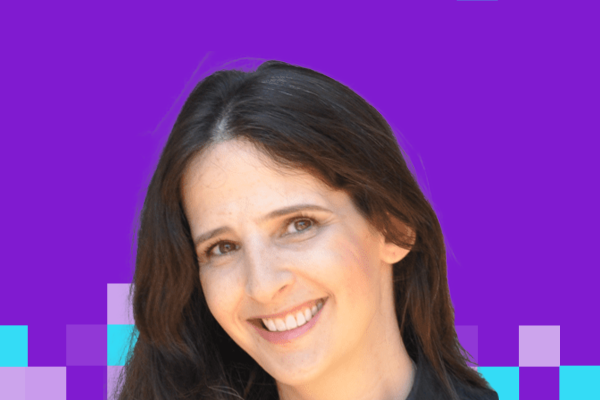
Pronouns: She/her
Creative, customer-centric thought leader with 15+ years of experience in a fast-paced eCommerce environment. Data-driven, results-oriented manager specializing in accessibility, customer experience, content strategy, product management and Marketing.
Carrie is a dedicated disability and diversity champion with a passion for universal design and technology-driven solutions that transform innovation and inclusion for people of all abilities. She has a proven track record initiating, building and scaling sustainable, Omni-channel accessibility programs, in a Fortune 1 environment â across multiple platforms and cross-functional teams. She is the former Chair of the Walmart Bay Area chapter of the inABLE Associate Resource Group, focused on promoting disability inclusion in the workplace and community. Carrie is also proud to be involved in Teach Access, a non-profit focused on infusing accessibility into higher education through industry and academic collaboration, where she recently co-chaired the Companies task force, contributed to the accessibility Hiring toolkit and co-created the Employee Hiring Lifecycle.
Pronouns: He/him
Craig Abbott is a Principal Accessibility Consultant at Tetralogical, and former Head of Accessibility in UK Government. Bringing over 15 years of experience in User-Centred Design and accessibility, Craig is known for his contributions to the UK Governmentâs digital transformation, the GOV.UK Design System and the DWP Accessibility Manual. As a frequent speaker on accessibility, inclusion, and neurodiversity, and being neurodivergent himself, Craig is deeply committed to creating inclusive digital services that work for everybody.