


It’s quick, easy, and free!
Check your inbox to activate your account.
We sent a verification link to your email. Click it, then sign in with the password you just created. The link expires in 48 hours.
Don’t have an account? Register for free!
We'll send a reset link to your email.
Enter the email address for your account and we'll send you a link to reset your password.
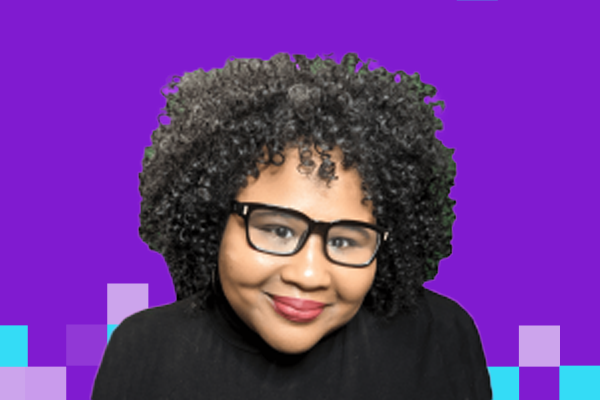
Pronouns: She/Her
Crystal Preston-Watson is a Senior Digital Accessibility Analyst at Salesforce. She believes that accessibility is a civil and human right and is passionate about building accessible and inclusive applications.
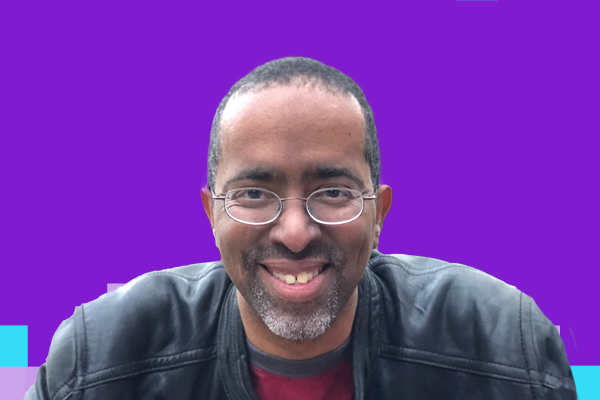
David Dylan Thomas, author of Design for Cognitive Bias, creator and host of The Cognitive Bias Podcast, and a twenty-year practitioner of content strategy and UX, has consulted major clients in entertainment, healthcare, publishing, finance, and retail. As the founder and CEO of David Dylan Thomas, LLC he offers workshops and presentations on inclusive design and the role of bias in making decisions. He has presented at TEDNYC, SXSW Interactive, Confab, An Event Apart, UX Days Tokyo and more on topics at the intersection of bias, design, and social justice.
Read more about Davidâs talk here: ââThatâs great, but how do I convince my boss?â: Overcoming Bias to Advocate for Changeâ
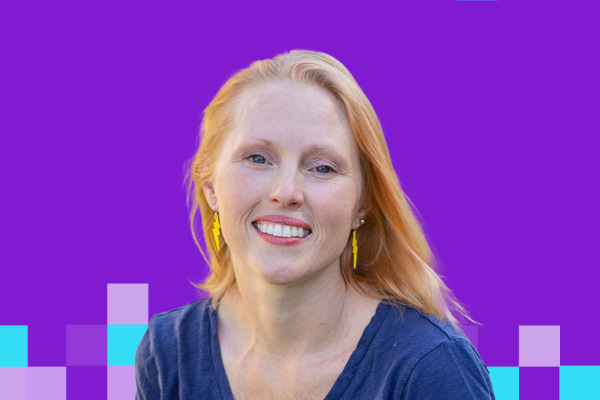
Ashley Shew (she/her) is an associate professor of Science, Technology, and Society where she works as a philosopher of technology focused on disability technology, disabled storytelling, and disabled expertise. She is author of Animal Constructions and Technological Knowledge (2017) and Against Technoableism: Rethinking Who Needs Improvement (2023).

Preferred Pronouns: He/Him
Eric Bailey is a Boston-based designer who helps create straightforward solutions that address a personâs practical, physical, cognitive, and emotional needs using accessible, performant, device-agnostic technology. He’s an inclusive design advocate, A11Y Project maintainer, MDN Web Docs contributor, and recovering curmudgeon.
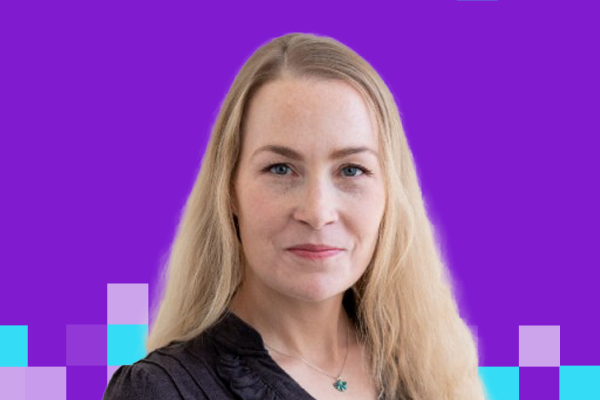
Eudora Struble is Director for Technology Accessibility at Wake Forest University, facilitating engagement to make Wakeâs vibrant digital environment more accessible for the entire community. Eudora earned a Masterâs in Near Eastern Languages and Civilizations from the University of Chicago, where she taught, worked to expand community engagement for undergrads in residence halls, and served as senior staff for international fieldwork.
Exposure to the impacts of inaccessible technology in these spheres instilled in Eudora a commitment to accessibility in higher education as a way to support diversity, inclusion, and a better future. Eudora currently serves as Co-Chair and a Steering Committee member for the EDUCAUSE IT Access Community Group and is co-leader of the North Carolina Higher Education Digital Accessibility Collaborative (a UNC CAUSE Special Interest Group).

Pronouns: They/Them
Faith McGee is an Inclusive Research professional with over 15 years of experience working for large Fortune 500 companies, such as Zelle, Electronic Arts, and Meta. They are a crusader for centering underrepresented groups in product development to amplify their voices for making a more inclusive and resilient product for a wider market.
Specifically, they study how issues like low vision, depression, and neurodiversity guide user behaviors. They have managed large, inclusive, research-focused teams that bring new thinking and product development practices to companies. At Meta, they are an Accessibility Champion and Inclusive Research Leader who builds company-wide inclusive training materials.
They are also working on a book, Revolution as a Habit: Using Inclusive Research Every Day, with co-speaker Natashia Tjandra. They live in San Francisco, CA, with her family and are very active in human rights organizations with a certification from the International Center for Advocates Against Discrimination.

Pronouns: She/her
Faith Obafemi is a Cyber Accessibility Officer at Fezzant. She is a lawyer with a vast background in actionable tech policy covering digital rights to emerging technologies. She recently pitched and won an AWITAI and UNESCO grant to bring digital accessibility to the cybersecurity industry. Faith’s core philosophy is being a lifelong learner and contributing to equity in humanity.

Pronouns: She/Her
Feriyal Hallajarani is a Lead Accessibility Specialist at Thomson Reuters, where she has contributed to accessibility efforts for nearly four years. Her journey in accessibility began in 2012 when she pursued a Master of Design in Inclusive Design at OCAD University. Since then, she has worked across industries including government, banking, and education, focusing on digital accessibility.
Currently, Feriyal leads the accessibility efforts for one of Thomson Reutersâ main products and supports key AI initiatives. She works closely with product teams to prioritize accessibility and promotes a shift-left mindset, integrating accessibility early in the development process. She is deeply passionate about inclusive design, with a focus on incorporating feedback from users with disabilities to improve product development.
In recent years, Feriyal has also led the companyâs inclusive research initiative, establishing processes for inclusive recruitment and accessibility research. Feriyal believes that diverse perspectives fuel innovation. By engaging with users with disabilities and underrepresented voices, she helps create more inclusive, successful solutions for everyone. At this conference, she looks forward to sharing how Thomson Reuters is embedding accessibility at the core of AI and product development efforts.
Pronouns: He/him
Accomplished corporate learning program manager, offering 25 years of diverse learning and development experience in a dynamic corporate setting, and 20 years of adult education and program delivery.

Pronouns: He/Him
Accessibility product manager at Walmart with over 8+ years of experience in accessibility, specializing in design, UX, and accessible development. I currently lead development accessibility for Walmart US ecommerce covering, web, ios, and android.
Pronouns: She/Her
Gouri is the Lead Accessibility Engineer at ADP. She grew up in India and did a bachelor’s in Computer Engineering. After coming to the USA, she started her career as a Frontend Web Developer and began her accessibility journey with Level access 8+ years ago. While working alongside people having disabilities, she became more and more passionate about accessibility. She is one of the fortunate few whose passion became her career!
She has wonderful experience advocating accessibility for various organizations including Charter Communications, College Board, and Twitter.
In her free time, she enjoys reading books, spending time with her daughters and watching sitcoms!
Pronouns: She/her
Hanna Fredholm works as Accessibility Manager at the Nordics’ largest public transport company, SJ. She has previously worked as an accessibility consultant and valued lecturer for both the public and private sector for over 10 years, with a background as a developer.
Inmaculada Placencia Porrero is a Senior Expert in Disability and Inclusion at Directorate-General Employment, Social Affairs and Inclusion at the European Commission.
Her unit is responsible for the coordination of European policies for persons with disabilities. She works on European disability policies including the European Disability Strategy 2010-2020, and the EU implementation of the UNCRPD.
Inmaculada holds a degree in Physics and Computer Science and worked in research and development before joining The European Commission in 1991.
She has worked on research programs addressing accessibility as well as assistive technologies and was Deputy Head of Unit for various disability-related units in the Commission. Her work in the âe-Inclusionâ unit of the Directorate-General for Information Society and Media addressed accessibility policy.
While at the Directorate-General for Justice, she contributed to disability-related antidiscrimination legislation. She was responsible for the Task Force for the preparation of the European Accessibility Act and remains responsible since its adoption in 2015. Currently, under the Directorate-General for Employment, Social Affairs, and Inclusion, she is also leading the team working on the Strategy for the Rights of Persons with Disabilities 2021-2030.
Pronouns: She/Her
Jackie Pysarchuk is an Enterprise Content Strategist at the American College of Cardiology. She offers a data-informed approach and a dedication to advocating for company goals while focusing on providing the best experience to end users. She is committed to creating content experiences that are sustainable, accessible, and thoughtful.
Her career combines content strategy, content operations, and user experience strategy. She previously worked at Yes& Agency, Northrop Grumman Corporation, American Bankers Association, and American Council of Engineering Companies. In 2018, Jackie was named an Association Technology Star by DCA Live.
Pronouns: He/Him
At nine plus years with accessibility, Jason works to enable equal access for everyone. Connecting like minds, working with people where they are, and setting solid goals. Partnering with an elevation of communication around the need for accessibility, he also makes sure that great minds and solid checks are in place for complete conformance. In his personal time, Jason enjoys drawing and illustration, listening to audiobooks, hiking, playing video games with his son, and going on adventures with his family. He also has a strong background in design, sculpture, quality assurance, creating magic, and was a 3D modeler for the movie industry.
Pronouns: She/her
Jaunita George joined Navy Federal in 2020 and currently works as an ADA Digital Program Manager leading the Enterprise Technical Accessibility Team, as well as chairing the Accessibility A11ies Community of Practice and serves on the leadership team of Navy Federal’s disability Employee Resource Group. Represents NFCU on the Accessibility Guidelines and ARIA Working Groups at the W3C. She is also on the leadership team of the Internet Societyâs Accessibility Special Interest Group, where she’s working on developing an accessibility engineering bootcamp. She contributed to ARIA 1.2, WCAG 2.2 and is listed as a notable contributor to WCAG 3.0. She is an attorney and developer with a background in instructional design, communications, program management and technology and people leadership. She is active in the accessibility community and is passionate about creating an internet that’s open, free and accessible to everyone.
Pronouns: They/them
Jay Brite is a content strategist with over ten yearsâ experience in content strategy, UX research, UX writing, SEO, CMS administration, web accessibility, and information architecture. Jay has worked in the professional association, scholarly publishing, and library spaces. They especially enjoy training and mentoring others in user-focused best practices, as well as work related to accessibility.
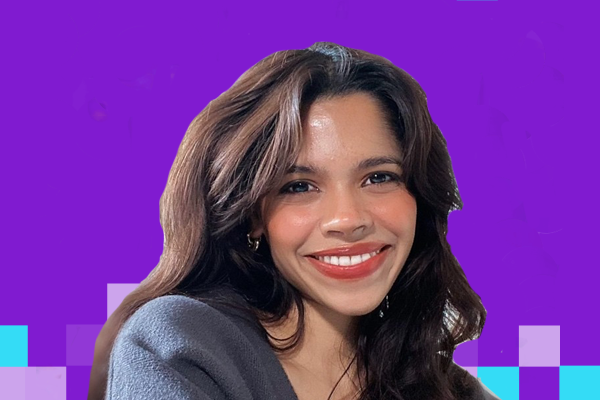
Pronouns: She/her
With a background that spans financial analysis, UX qualitative research, and design, Jency brings a unique, data-informed perspective to the world of user experience. Now a leader in product design, she helps teams build user-centric solutions for partners and admins as part of the Webex Design-Platform UX org. When she’s not wrangling teams, decks, and pixels, she’s spending time with loved ones and her dog Eevee, reading, doing pottery, thrifting, or just trying to be a decent human being. Spoiler: it’s a work in progress.
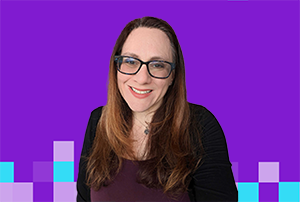
Jenn joined Deque in March 2023.
Before joining Deque, Jenn spent over 12 years with Google. Since 2017, she held the role of Accessibility Program Manager focusing on release processes, change management, product, testing, and helping teams to build & sustain healthy accessibility programs.
Her passion for accessibility has also been demonstrated through education. Pulling upon her past roles in corporate training and her accessibility passion, she developed and delivered training to grow accessibility awareness within Google. This â along with performing product assessments, heuristic evaluations, surfacing customer issues, creating accessible user support documentation, and starting a demo program â has enabled her to successfully lead teams responsible for creating experiences and products that are accessible and delightful.
Prior to 2017, while holding engineering roles working in both IT Support and Security, she created and led an Accessibility Service team. This team administered training for Googleâs support teams on how to use assistive technology. Additionally, Jenn built an internal accommodations methodology to ensure all Googlers were able to experience productivity parity in their day-to-day work.
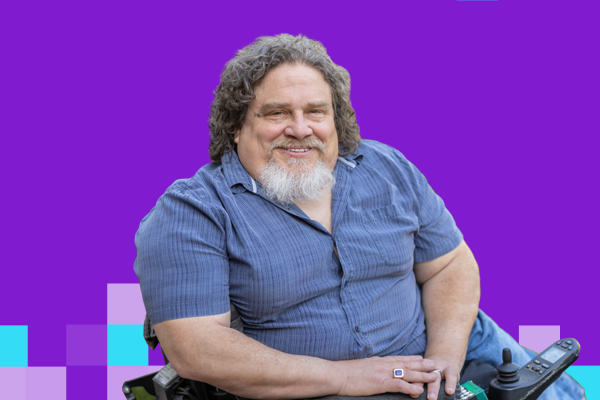
Jim LeBrecht co-directed and co-produced, with Nicole Newnham, the 2021 Oscar-nominated documentary, Crip Camp.
Crip Camp received the 2020 Sundance Film Festival Audience Award for feature-length documentary, the 2021 Independent Spirit Award for Best Feature Documentary, and a 2021 Peabody Award.
He has over 40 years of experience as a film and theater sound designer and mixer, filmmaker, and disability rights activist.
LeBrecht is a co-founder of FWD-Doc and the 1in4 Coalition, two organizations that support people with disabilities in the entertainment business. He has been a character consultant for Pixar Animation Studios for 2 of their films.
Jim is a member of the Academy of Motion Picture Arts & Sciences and the Academy of Television Arts & Sciences. He is also a member of the Disability Futures Fellowship, an initiative of the Ford Foundation and The Andrew W. Mellon Foundation.
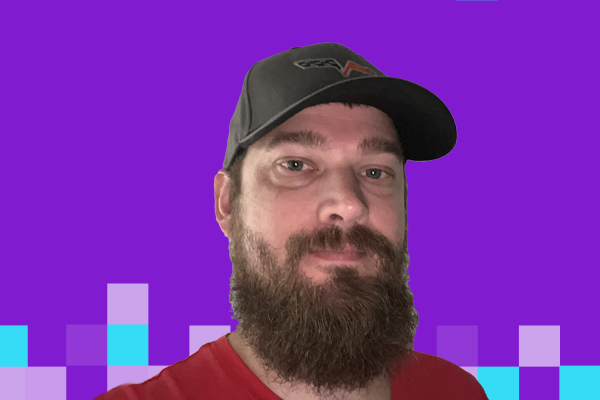
Joe Humbert is a Certified Professional in Web Accessibility (CPWA) who is currently focusing on native mobile application accessibility. He has been working in the assistive technology and accessibility industry since 2007 and has helped companies in the education, streaming media, ecommerce, banking, and healthcare industries ensure their digital products are accessible. As an Invited Expert at the World Wide Web Consortium (W3C), Joe is collaborating with other accessibility industry experts to create guidance on how to apply the Web Content Accessibility Guidelines (WCAG) to the native mobile applications. He also volunteers his time with a W3C community group to test interoperability of Accessible Rich Internet application (ARIA) authoring practice design patterns across common desktop screen reading software.
Pronouns: He/him
John (John) Caplinger, he/him/his, CAPM®, CSM, from Golden Valley, MN, brings over 15 years of experience in developing and delivering custom software and digital products. He began his career as a computer animation artist, earning a nomination for “2001 Best Independent Animation of Minnesota” for his demo reel.
After shifting into the video production industry with a startup called CineMotion (later rebranded as AutoMotion), he transitioned to building digital products for websites and native apps. During his 14 years at AutoMotion, John took on a wide variety of roles, from video production and app submissions (over 3,000 apps to Apple and Google Play) to leading app production teams, quality assurance, and customer service.
Currently, as a Quality Assurance Analyst at Livefront, John champions accessibility by helping design accessibility guidelines and advocating for accessibility awareness within the company and beyond.
Pronouns: He/him
As businesses face economic challenges, accessibility teams are often left with shrinking budgets or minimal staff. This session will explore how to build and scale accessibility programs in resource-constrained environments. Learn strategies for pitching accessibility to leadership, leveraging internal champions, and training stakeholders to distribute efforts across the organization. Weâll also provide practical tools for navigating tough conversations and keeping accessibility a priority, even with limited resources.
Pronouns: She/Her
Julia is a creative problem-solver with over 20 years of experience in the IT industry and has worked on a variety of projects for financial, educational, consulting, and ed-tech companies. Her experience includes a non-profit company in the Ed-tech space with product focus on users with visual impairment, and students with dyslexia.
Prior to joining ADP, Julia worked as a Tech Lead at Think Company collaborating with designers and developers across industries to create functional, usable and inclusive websites with a focus on accessibility and conformance to WCAG 2.x AA Julia has the Web Accessibility Specialist (WAS) certification from IAAP.
Julian Kittelson-Aldred is a digital accessibility professional with a special focus on native mobile applications. She has worked in non-profit and regulated industries such as banking, healthcare, and transportation. As an Invited Expert at the World Wide Web Consortium, sheâs helping create guidance on how to apply the Web Content Accessibility Guidelines to the native mobile context.

Pronouns: He/Him
Kevin Andrews is a Certified Web Accessibility Specialist through IAAP with several years of experience in accessibility program management and creating accessible digital experiences for all users. He has worked closely with diverse stakeholders, combining technical expertise with empathy and clarity to meet people where they are on their accessibility journey. Kevin is passionate about driving meaningful change through tailored solutions that elevate user experiencesâbecause if people canât use the tool, standards mean nothing. A prolific public speaker, Kevin brings his expertise to audiences across industries, advocating for accessibility that works in the real world.
Pronouns: She/Her
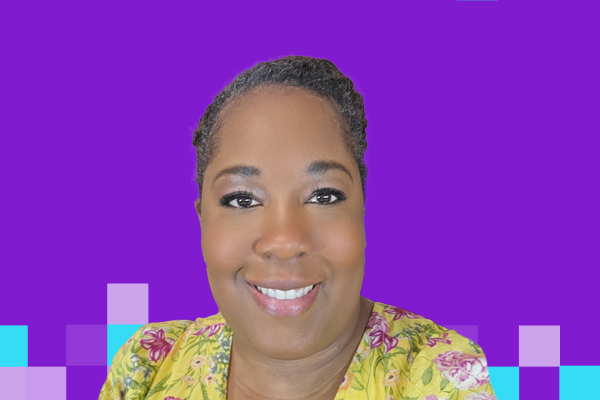
Koya Tyson, a proud Atlanta, Georgia native, is a passionate advocate for digital accessibility and inclusion. With over 11 years of experience at Accenture, Koya currently leads the Inclusive and Accessible IT team, driving initiatives to make technology accessible to everyone. Throughout Koya’s career, she has dedicated the past 7.5 years specifically to advancing digital accessibility. Koya is committed to breaking down barriers and ensuring that technology empowers individuals with diverse abilities.
Pronouns: She/her
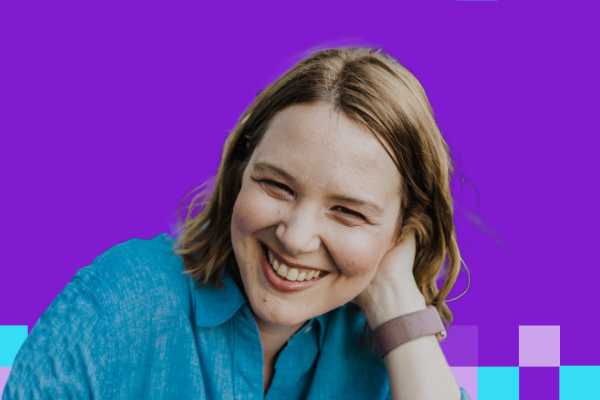
Kristin Harvey is an accidental UX Leader passionate about authenticity and transformation. With over 20 years of design experience working with non-profits, finance, and technology, she has a knack for following her frustrations and using small pivots to make big changes. Outside of work, Kristin can be found tinkering at home in the garden or spending time in her quilting studio. She is a sighted spouse to blindscholar.com, and together, they have two incredible daughters who are experts in silliness and trading wisecracks.

Laura Kalbag is a British designer living in Ireland, and author of Accessibility For Everyone from A Book Apart. Sheâs co-founder of Small Technology Foundation, a tiny two-person-and-one-husky not-for-profit organisation advocating for and building small technology designed to increase human welfare, not corporate profits.
On an average day, Laura does everything from design and development, learning how to run a sustainable not-for-profit, and trying to make privacy, and rights-respecting technology, accessible to a wide audience. You can find her making design decisions, writing code, nudging icon pixels, or interpreting a privacy policy into something humans can understand. Sometimes she speaks at conferences and writes articles too.
Pronouns: She/Her
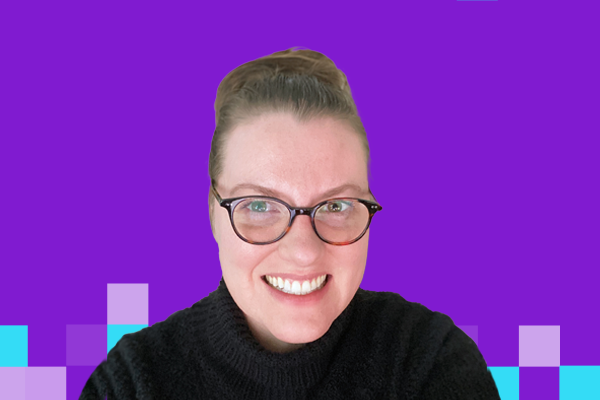
Laurel Franciose is a Staff User Experience Designer at Adobe. She focuses on product equity, accessibility and unified experience to create complex systems that consider a diverse set human experiences.

Pronouns: She/Her
Lesley Hanlin, CPACC, currently the Head of Accessibility and Inclusion at TIAA, is an inclusive leader that believes everyone deserves a secure retirement and equal access to TIAAâs digital content regardless of ability or background. Recently, Lesley was recognized as a leader in her field, receiving the prestigious 2024 Icon Award for Top 50 DEI Professional. She is committed to fostering digital experiences that embrace Universal Design Principles to maximize access for everyone.
Pronouns: She/her
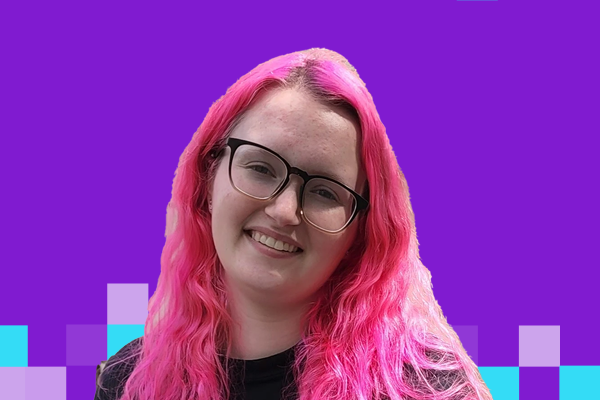
Madison Russell is an Accessibility Specialist at Elsevier with a strong focus on web accessibility testing, user research, and accessibility personas. She attended Rochester Institute of Technology and received a degree in Human-Centered Computing. She also works with United Spinal to advocate for the rights of people with mobility disabilities and regularly attends meetings with United States legislators.
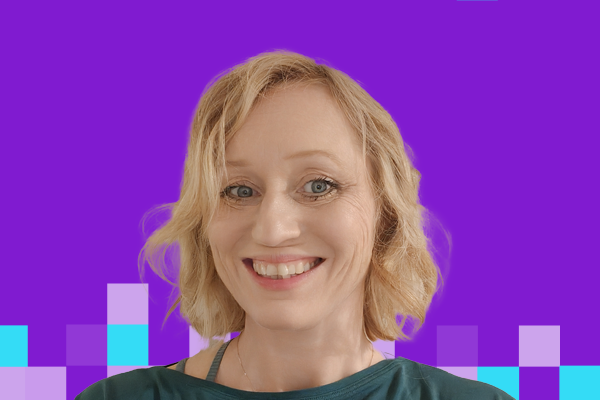
Pronouns: She/Her
Malin Hammarberg is a senior UX Designer and Accessibility Specialist at the Funka Foundation with over a decade of experience. Malin collaborates with both public and private sector clients to create inclusive products and services. A Certified Professional in Web Accessibility (CPWA) by the International Association of Accessibility Professionals (IAAP), she is dedicated to ensuring equal digital access for all. Malin specializes in Accessibility, Inclusive Design, and Usability. An experienced speaker, she has led numerous events and courses, sharing her expertise and passion for creating truly inclusive digital experiences.
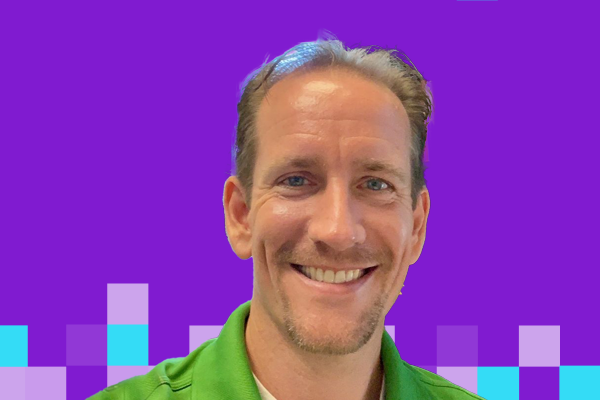
Pronouns: He/him
Mark Nichols is the Senior Director for Universal Design and Accessible Technologies at Virginia Tech.  He works within the Technology-enhanced Learning and Online Strategies (TLOS) unit of the Division of IT.  Prior to coming to VT in 2017, Mark spent 15 years working for Loudoun County Public Schools in Virginia as the Supervisor for Assistive Technology and Division Level Administrator for Accessible Materials.  Mark is an active member of the National AEM Advisory Committee, Chair of the Virginia Higher Education Accessibility Partners (VHEAP), and Secetary/Treasurer of the UDL Higher Education Network with the UDL-IRN.  Mark has a personal interest in the maker movement and connections to the field of Assistive Technology.
On a personal level, Mark is a Scoutmaster with a Blacksburg scout troop and enjoys a variety of outdoor sports and recreational adventures with his family. The scout motto “Be Prepared” is a vital component of both professional and personal endeavors. Other interests include photography, music, racing cars, gardening, traveling to islands, and managing day-to-day responsibilites on the family hobby-farm.

Pronouns: He/Him
Mark is the Director of Accessibility Engineering at Fidelity Investments with a passion for accessibility automation, developer advocacy for accessibility, and an overall mission to make all content on the web/mobile accessible for all. Mark’s main focus has been working with development teams to prioritize accessibility in continuous development and continuous development environments, researching accessibility in JavaScript Frameworks (React, Angular, Vue), and creating automated accessibility solutions for development teams and organizations.
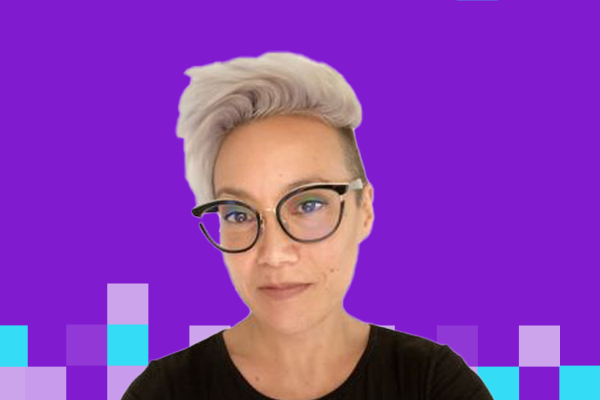
Pronouns: She/her
Maya Sellon is an Inclusive Design and Accessibility leader with over 20 years of experience working across North America, Asia, and Europe. She has developed and implemented accessibility practices across various global organizations. She is passionate about embedding accessibility at the heart of design and technology. Her career has spanned multiple disciplines, including civil engineering, user experience, and digital accessibility, giving her a diverse and well-rounded perspective.
Mayaâs journey has been shaped by her life experiences and commitment to creating inclusive, human-centered digital experiences. Maya describes herself as a nerdy tech lover with hobbies including skydiving (sheâs on her way to getting certified for solo jumps) and drumming. Her life experiences made her feel like she was born to work in a field that cares about including everyone, and she believes that accessibility isnât about rules or technologyâitâs about people.

Melanie Sumner began building things for the web in 1997, and after all these years, itâs still her favorite thing to do. As the Product Accessibility Lead at HashiCorp, she develops accessibility strategies and offers guidance to the design system and product teams, working collaboratively to deliver inclusive, standards-compliant products.
In addition to her role at HashiCorp, Melanie is an invited expert for the W3Câs ARIA working group and co-editor of the Accessible Name and Description Computation specification, playing an active part in advancing web accessibility standards.
When she needs a break, Melanie enjoys brainstorming new collective nouns for the web (collective-nouns.dev) or unwinding with a game of Stardew Valley.
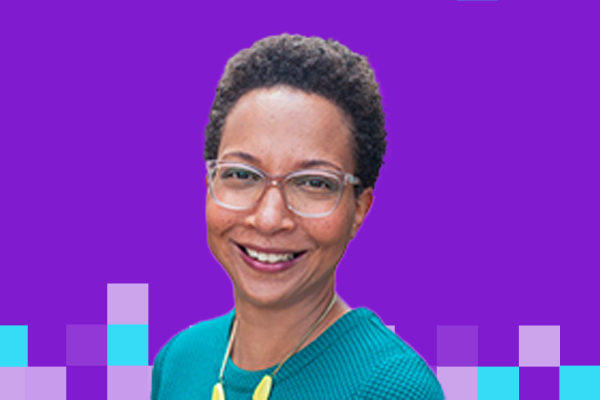
Pronouns: She/Her
Michele is a lifelong advocate and ally who has dedicated her life’s work to making technology more usable for everyone and inclusive of people with disabilities. Michele is also A W3C-WAI Invited Expert, international speaker, published academic author, and patented inventor.
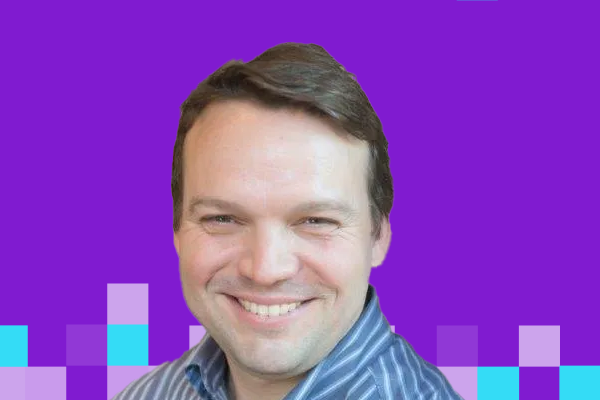
Mike Gifford is CivicActionsâ Open Standards & Practices Lead and a thought leader on open government, as well as digital accessibility and sustainability. He has worked with governments in North America and Europe, and spoken internationally. He is also a W3C Invited Expert and recognized authoring tool accessibility expert.
Mike has served for two years on the board of the Digital Services Coalition. In his last year he served as president of the board where he helped better define what it was to be a digital agency. In this role, he met with leaders in government and the private sector who are working for modern digital government.Â
Previously, he was the Founder and President of OpenConcept Consulting Inc., a web development agency specializing in building open source solutions for the open web. OpenConcept was an impact driven company and Certified B Corporation. Like CivicActions, OpenConcept worked extensively with the Drupal Content Management System .Â
Mike has spearheaded accessibility improvements in Drupal since 2008, and has served as a Drupal Core Accessibility Maintainer in 2012.
As a long-term environmentalist, Mike has found ways to integrate his passions for the web and the planet. He is an active participant in both the W3Câs Web Sustainability Community Group and in the ACT-IAC Climate Change Community of Interest.

Pronouns: She/Her
Natashia is a Design leader with broad experience at the intersection of design, data, technology, and marketing. Her career has led her through different disciplines in Design: Design research, designing typefaces, creating 360 ad campaigns for prestigious global brands, co-running her own boutique design agency, and leading cross-functional design and research teams in the #1 global consulting firm.
Currently at EA, sheâs humanizing technology and the workplace, and a champion for underrepresented groups in product development at EA and the community.