It’s quick, easy, and free!
Check your inbox to activate your account.
We sent a verification link to your email. Click it, then sign in with the password you just created. The link expires in 48 hours.
Don’t have an account? Register for free!
We'll send a reset link to your email.
Enter the email address for your account and we'll send you a link to reset your password.

Pronouns: He/him
Alex Haidar is Head of Compliance & Regulatory Affairs at Tech4Access, where he leads the consultancy’s work helping enterprises interpret and implement the legal and technical requirements of the European Accessibility Act, EN 301 549, and WCAG. With a background in accessibility policy, compliance frameworks, and digital transformation, Alex advises organizations across sectors on building sustainable accessibility governance that meets both regulatory and business objectives.
Pronouns: She/her
Alyssa Shock, PsyD. is a technology instructor for blind and low vision individuals, mentor to blind and low vision youth, and a research fellow at the American Foundation for the Blind. She holds a PsyD in Counseling Psychology from Springfield College and has experience working in both community and college mental health settings. She is passionate about research, having completed a dissertation on how nonmeditators perceive meditation to impact well-being, and is now a member of AFB research teams focused on aging and vision loss and the accessibility of artificial intelligence.
Amanda Bolton is one of the accessibility subject matter experts working in Quality Engineering at Cvent and is part of the main accessibility technology team. She comes from a background of teaching in higher education and uses those skills in her current role, helping to create and organize accessibility learnings in addition to testing Cvent’s products.
Pronouns: She/her
Ambika Yadav brings data to life as a Visualization Engineer at Atlassian, where she builds robust platform web chart components for the Atlassian Analytics product. She specializes in crafting intuitive and accessible visualizations, empowering users to explore and understand complex data with ease.
Pronouns: They/them
Dr. Angela Young (they/them) is Advisor, Digital Solutions Consulting/Accessibility Training & Awareness at Epsilon. A deaf, queer, nonbinary accessibility strategist, speaker, and published author, Angela leads enterprise-wide initiatives that transform accessibility from a compliance requirement into a cultural practice. With two decades of experience in education and digital inclusion, they specialize in building accessibility awareness, coaching technical teams, and creating systemic change through empathy-driven design and training.
Pronouns: She/Her; They/Them
Anna E. Cook is a Senior Inclusive Designer that specializes in building inclusive products. With ten years of experience, she is dedicated to creating scalable systems to support accessible practices across digital product teams.
Read more about Anna’s talk here “Microsoft Inclusive Design: The Cognitive Model.”
Watch Anna’s 2021 talk here: “Auditing Design Systems for Accessibility” and her 2022 talk here: “Why We Need More Accessibility Designers”
Pronouns: She/her
Arielle Silverman, Ph.D. has a 20-year research career, focusing on the lived experiences of people with disabilities and especially people who are blind or have low vision. She has published more than a dozen papers and reports relating to accessibility barriers and the benefits of mentoring and resilience for people with disabilities. She also published a disability justice memoir titled Just Human: The Quest for Disability Wisdom, Respect, and Inclusion, in 2021.

Pronouns: She/Her
Dr. Bhuvana Narayanamurthy is a UX designer, researcher, and consultant with 15 years of experience in digital transformation, where accessibility is part of her work. She holds a PhD from Northwestern University, focused on Technology Use Behavior. Her current work spans cognitive accessibility, human-AI experience, and governance. Through her consulting practice, she helps healthcare and enterprise companies scale responsibly by embedding accessibility in the solutions she designs for them.
Pronouns: She/her
Carmel Heydarian, MS, is currently a Research Fellow at the American Foundation for the Blind (AFB), where she focuses on researching how to improve the lives of people who are blind or have low vision (BLV). She has worked on projects about improving indoor navigation for BLV people. She is also a contract researcher with UTRGV where she aids in the research on pregnant or recently pregnant people with I/DDs and their interactions with healthcare. Carmel is dedicated to removing barriers for people with disabilities through her research.
Cherisha Agarwal currently works as a Senior Product Designer at Microsoft and has a deep passion about inclusive design and accessibility. She is a design professional with 12+ years of experience in design and technology and has completed an MS in Integrated Digital Media & Design from New York University. She strongly believes design creates communicative value by filling gaps with effective creative solutions. With a user-centered design mindset, she aspires to craft accessible and intuitive digital experiences that add significant value.
Pronouns: She/Her
Cintia Romero is a Senior Staff Designer on the Adobe Product Equity team, where she leads the integration of inclusive design into the core of the user experience. Prior to Adobe, she was part of the Design Systems team at Pinterest, focusing on scalable components and digital accessibility. As a Brazilian-American with over 14 years of experience crafting cross-platform products, she brings a global perspective to her work, firmly believing that accessibility is a primary driver of innovation rather than a secondary constraint. She holds a CPACC certification and is a frequent speaker on inclusive frameworks. Additionally, she is a dedicated mentor committed to empowering the design community to build a more equitable digital future with empathy at its core.

Pronouns: He/Him
Damian Sian is a Principal (Staff) Engineering Program Manager on the Product Equity team in the Adobe Design organization. Prior to Adobe, he served as the Director of Web Accessibility at Prudential Financial and the Senior Accessibility Advisor at Princeton University. He holds his CPACC, WAS, CPWA, and ADS certifications from the IAAP. Damian is also adjunct faculty at Rutgers University where he teaches an Intro to Web Accessibility course in the School of Communication and Information (SC&I).
Pronouns: (He/Him)
Daniel Henderson-Ede (he/him) is a leading voice in accessible design at scale. He has built and evolved design systems at Pinterest and CVS Health, and his annotation toolkits are used by design teams around the world. Daniel is a Design Engineer who helps organizations bring design and engineering together to embed accessibility into every layer of the product. He has spoken at Axe-con, CSUN AT, AccessU, and Figma, sharing practical strategies that make accessibility efficient, impactful, and people-centered.
Read more about Daniel’s 2022 talk: “Building Accessible Design Systems – Try, Try, Try again“
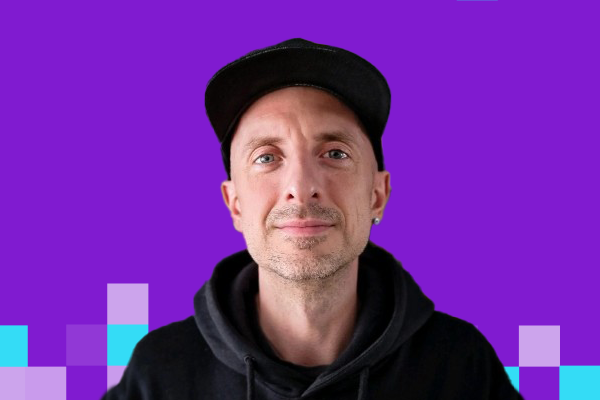
Pronouns: He/Him
Daniel Yuschick is a Senior Frontend Developer and Design Systems Lead. Throughout his 15-year career, he has advocated for digital accessibility, empathy in software development, and leveraged his background in design. Daniel previously taught as a Frontend Engineering Instructor before following his dream to Helsinki, Finland, where he moved his career into Design Systems Engineering.
However, the passion for teaching continues as he writes articles for various web development publications and volunteers as a mentor at Codebar, a charity for empowering underrepresented groups in tech. Daniel is most passionate about great chocolate, beautiful tattoos and bridging the gap between design and development to create accessible and resilient design systems.
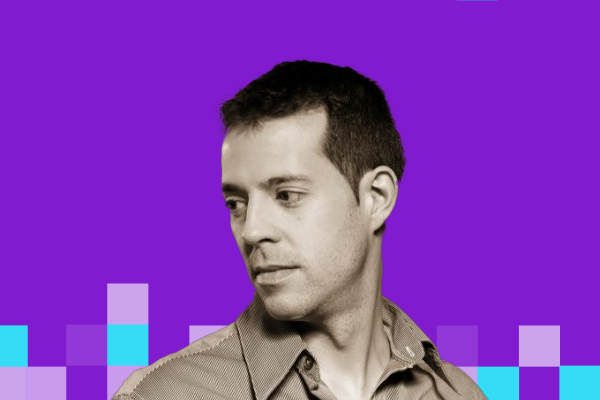
David Sabaté is the founder and CEO of TOTHOMweb, with more than 15 years of experience in digital accessibility.
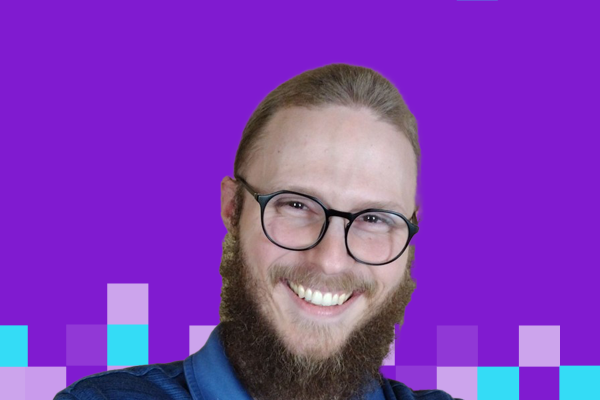
As an Accessibility Analyst, my day-to-day focus is on accessibility and usability, project management and metrics, development, and documentation. However, the most significant contributions I’ve made to my greater organization have always been in the form of generalizing the problems we face and questioning the status quo in such a way that the problems can be better understood and tackled more efficiently. I’m naturally drawn to thinking through simplifying problems, who or what else is impacted, and which solutions will best address the highest number of issues. But having this approach also leads me down strange, new roads and causes me to ask really big questions, like, “What is a PDF really?” “Are there any alternatives out there?” “How and why did we become so reliant on PDFs anyway?” “Are the available remediation tools even focusing on the right things?” and “If there were a perfect PDF remediation tool, what would the world need it to do?”
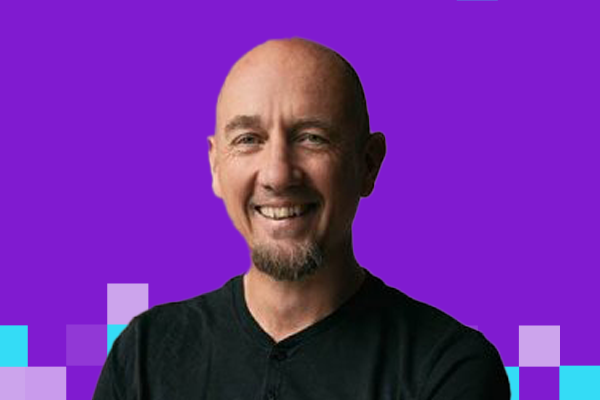
Pronouns: He/Him
Dylan is the Chief Product Officer at Deque. He has almost 20 years of experience in technology development, technical sales, product management, product marketing, and corporate development. Dylan founded a startup in 1989 that was acquired. He then went public with OpenText and helped grow revenues to over $400 million. He later led the effort to create a digital center within a Borders store and to begin the transition from purely physical products to digital and physical product mix delivered in a cross channel online and in-store way. In addition to his work experience, Dylan has an MBA from the University of Michigan and a BS from the University of the Witwatersrand. Dylan believes in leading through action to create value for shareholders and the community.

Pronouns: He/Him
Ed Summers is a blind software engineer and an accessibility specialist. He has a B.S. in Computer Science and professional experience as a software developer, engineering manager, and leader of accessibility programs within large technology companies. Ed’s personal mission is to enable people with disabilities to realize their full potential in the classroom and the 21st-century knowledge economy. He fulfills that mission as the Head of Accessibility at GitHub where he empowers people of all abilities to create and collaborate. He also serves on disability-related government and not-for-profit boards.
Watch Ed’s 2024 talk here: “Empowering People with Disabilities Using GitHub Copilot”
Watch Ed’s 2023 keynote talk here: “GitHub Accessibility: Bridging the Disability Divide through Code Collaboration”
Pronouns: She/her
Leading accessibility strategy and implementation across digital products and platforms from inclusive design through development practices in both remediation of existing and creation of new products; training teams on accessibility and their roles in successful implementation; auditing products and consulting cross-functional teams to create compliant products through strong relationships, communication, and collaboration.
Pronouns: She/Her
Emma Torres, User Researcher. Emma is passionate about building healthier communities through technology. Three years ago, Emma joined Peloton as a Research Coordinator and has since grown into a User Researcher who leads Row software initiatives. She currently focuses on improving the Member experience across Peloton’s hardware and software offerings, as well as making products more accessible for those with disabilities. Before Peloton, Emma graduated from Bowdoin College with a Bachelor’s Degree in Psychology.
During her time at Bowdoin, Emma devised and launched Maine’s first TeleNeurology program in partnership with Maine Medical Center’s Neuroscience Institute. This program has been active for 5+ years, enabling patients in rural Maine to have access to high-quality medical care from the comfort of their homes. Emma is a Maine native who enjoys spending time with her family and exploring the islands in Casco Bay. Now that she lives in Brooklyn, Emma’s favorite weekend activity is going for a long run in Prospect Park and swinging by the local farmers’ market for coffee and muffins with her sister.
Read more about Emma’s talk here:”The Power of User Research to Increase Fitness Accessibility“
Dad first. UX designer second. Dad third. Aspiring to impact positive change through accessible design, mentorship, my inability to perform a cartwheel, and my amateur woodworking. Dad.
Evelyn Wightman worked as a developer and quality engineer before originating the Accessibility Specialist job track at Cvent. She’s been working on digital accessibility for five years, pushing to standardize and expand the accessibility practices in Cvent’s software development lifecycle. She also co-launched and co-leads an employee resource group focusing on disability.
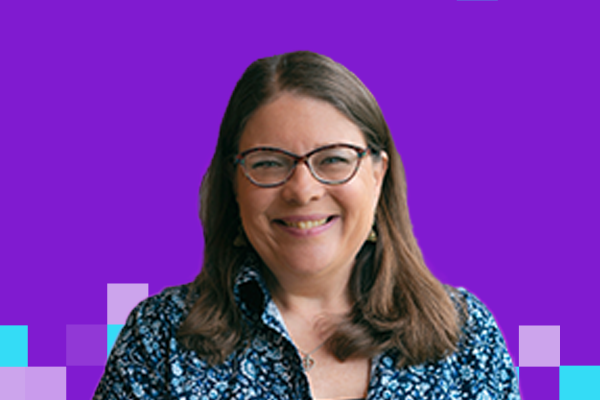
Pronouns: She/Her
Glenda Sims is the Chief Information Accessibility Officer at Deque, where she shares her expertise and passion for the open web with government organizations, educational institutions, and companies ranging in size from small businesses to enterprises. Glenda is an adviser and co-founder of AIR-University (Accessibility Internet Rally) and AccessU. She serves as an accessibility consultant, judge, and trainer for Knowbility, an organization whose mission is to support the independence of people with disabilities by promoting the availability of barrier-free IT. In 2010, Glenda co-authored the book InterACT with Web Standards: A holistic approach to Web Design.
Read more about Glenda’s talk here: “Future of accessibility guidelines” and “Get It Right the 1st Time: Stop 80%+ of A11Y Bugs During Development”
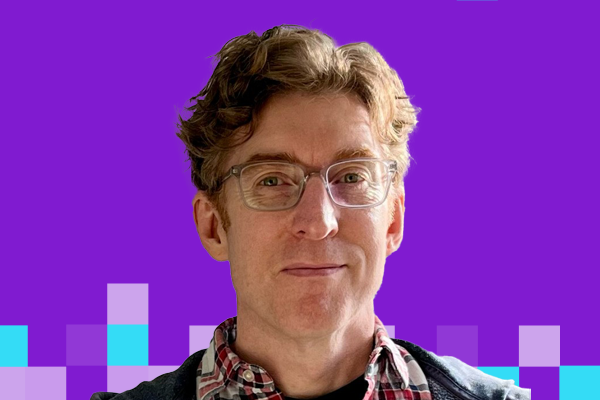
Pronouns: He/him
After nearly two decades as a designer, developer, and content strategist for public education websites, Greg has been a UX Producer at Red Hat since 2022.
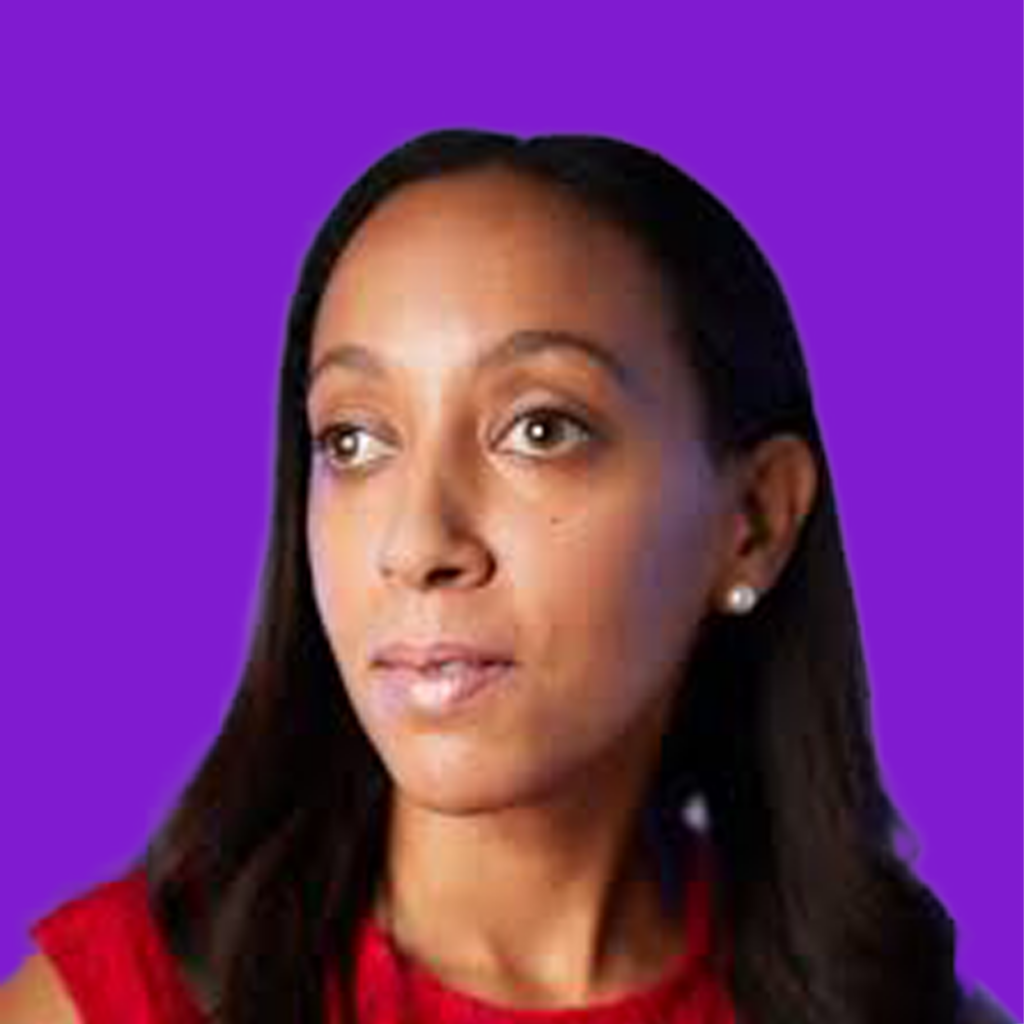
Preferred Pronouns: She/Her
The first Deafblind person to graduate from Harvard Law School, Haben Girma, is a human rights lawyer advancing disability justice. President Obama named her a White House Champion of Change. She received the Helen Keller Achievement Award, a spot on the Forbes 30 Under 30 list, and TIME100 Talks. President Bill Clinton, Prime Minister Justin Trudeau, and Chancellor Angela Merkel have all honored Haben. Haben believes disability is an opportunity for innovation, and she teaches organizations the importance of choosing inclusion. The New York Times, Oprah Magazine, and TODAY Show featured her memoir, Haben: The Deafblind Woman Who Conquered Harvard Law.
Haben was born and raised in the San Francisco Bay Area, where she currently lives. Her memoir takes readers on adventures around the world, including her parents’ homes in Eritrea and Ethiopia, building a school under the scorching Saharan sun, training with a guide dog in New Jersey, climbing an iceberg in Alaska, fighting for blind readers at a courthouse in Vermont, and talking with President Obama at the White House. Warm, funny, thoughtful, and uplifting, this captivating book is a testament to Haben’s determination to resist isolation and find the keys to connection.
The hardcover, paperback, ebook, and audiobook (narrated by Haben herself) are available at most bookstores. Learn more on the book page.
Watch Haben’s 2021 keynote: “Difference Drives Innovation & Disability Inclusion Benefits All of Us“

Pronouns: He/Him
Harris is a web developer with a strong passion for digital equality. He works at Deque Systems as the Director of Product Management, building awesome web applications. He wrote Cauldron (Deque’s pattern library), Dragon Drop, and is the lead developer on Axe DevTools Pro. When he is not at work, he still finds time to contribute to numerous open source projects.
Watch Harris’ axe-con 2024 talk here: “How Do You Make Accessibility Testing as Efficient as Possible?“
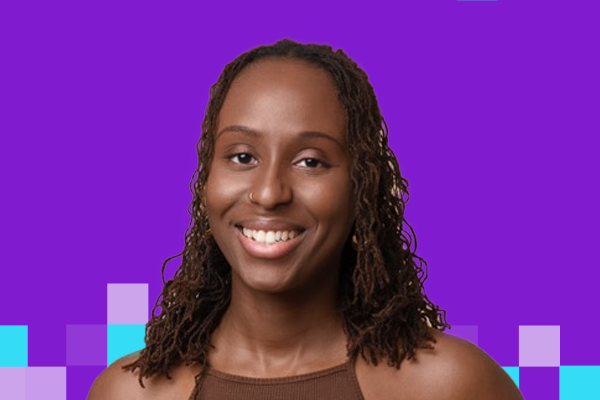
Ire Aderinokun is an investor, entrepreneur, and software engineer with a decade of experience building and backing technology ventures in frontier markets.
As an invited Google Expert in Web Technologies specialising in the core user interface technologies of HTML, CSS, and JavaScript, Ire has authored widely-read technical content and spoken at dozens of conferences around the world. She co-founded Helicarrier, a Y Combinator-backed blockchain company for Africa that built some of the continent’s earliest crypto-fintech products, and is passionate about how technology can support global financial inclusion.
Jan Maarten (he/him) is a designer and accessibility specialist living on unceded Duwamish lands. He has worn many hats, from full-stack design and branding to strategy and IT operations. He is currently a Senior Accessibility Designer at GitHub, helping product teams shift left and improving design infrastructure.
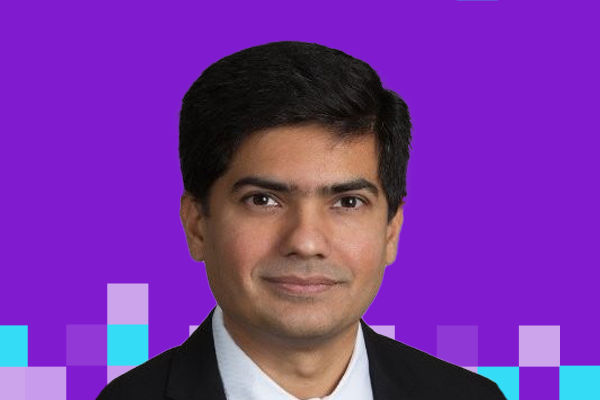
Jatin brings extensive expertise in mobile apps, web, and digital accessibility across diverse sectors, including government, education, healthcare, and Fortune 50 companies. As a subject matter expert, he integrates accessibility throughout the entire technology lifecycle—from requirements and design through development, implementation, and testing.
Specializing in WCAG 2.x, Section 508, AODA, EN 301 549, and the EU Web Accessibility Directive, Jatin leads accessibility initiatives spanning native and hybrid mobile apps (iOS and Android), web technologies (HTML, CSS, JavaScript, WAI-ARIA), PDF and document accessibility, and corporate training programs.
An active contributor to W3C groups and speaker at major accessibility conferences, including CSUN, AccessU, and DevAcc.
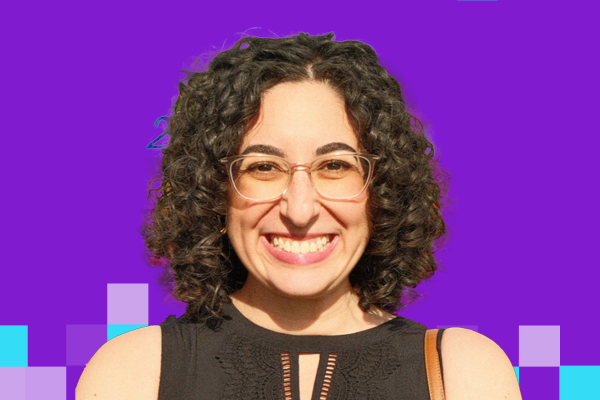
Pronouns: She/Her
Jen has worked as a web developer for over a decade, specializing in digital accessibility and inclusive design. As a founding member of the Product Accessibility team at Zendesk, she fills a role that meaningfully combines engineering, coaching, and advocacy to help ensure Zendesk’s software is easy to use, especially for people who rely on assistive technology. In 2021, she was recognized as one of 14 Power Women in Code by the DCFemTech Awards.
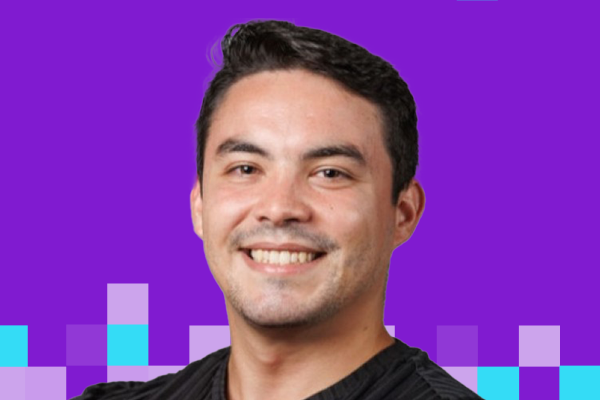
Jeremy Rivera is a Developer Advocate for Deque Systems Inc. He is a full-stack MERN Developer and a University of South Florida alum. Jeremy transitioned to developer relations to bridge the gap between software and developers needing a diverse array of tools. He is a general technologist and evangelist of open-source and cloud-based tools, passionate about helping developers make the web a more inclusive environment.
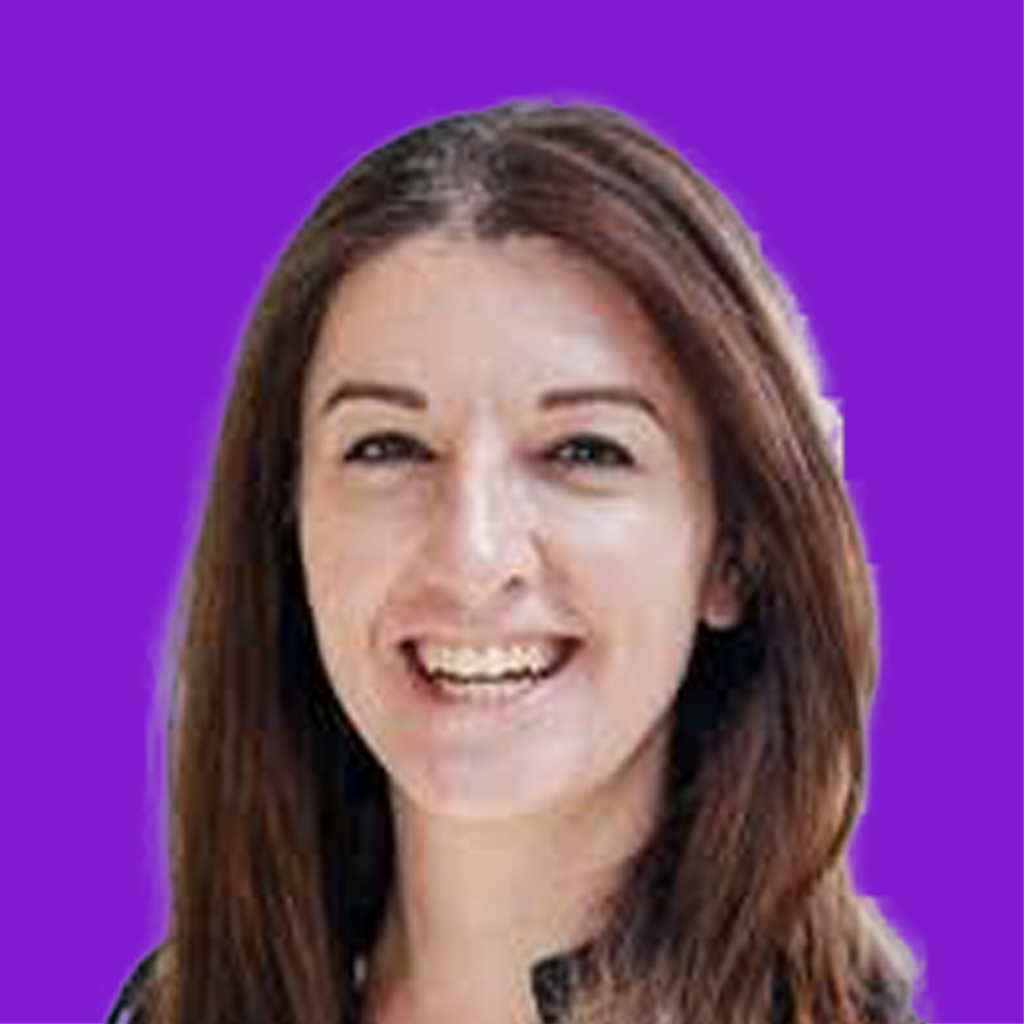
Jesse Beach’s technology career started in linguistic research, shifted to UX design and then landed solidly in user interface development. At Meta she channels her energies into building tools and components that support accessible interface development within the Facebook Design System group. She believes that all humans should have access to information and services, whatever their abilities or circumstances.
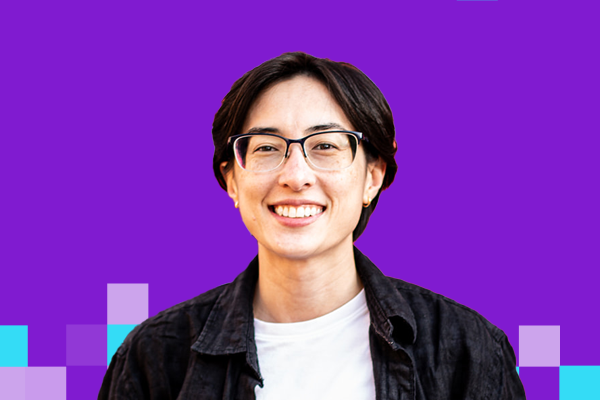
Pronouns: She/they
Kai Wong (she/they), believes in the transformative power of accessible technology for a better world. At Teladoc Health, the global leader in health and whole-person care, Kai is a Principal of Digital Accessibility, founder of Accessibility Champions for Change, and serves on the leadership board for their disability-focused Business Resource Group (BRG). They are an inventor of a US patent pending, a recipient of the 2021 DC FemTech Award, and hold certifications in accessibility, health education, and quality assurance. Dubbed as a presenter who could make stale bread interesting, Kai’s strategy for advancing accessibility is simple: make it fun and inspire action.
Pronouns: She/her
Katrina makes the connection between business goals, users, and technology. With over 13 years of progressive experience designing, leading, and implementing user experience and software projects, she deeply understands the technology, processes, and people needed to deliver great products and expand your company’s digital footprint.

Pronouns: He/him
Kyle Shachmut is the Senior Director of Digital Accessibility at Harvard University, providing strategic direction and service delivery leadership to digital accessibility efforts across Harvard’s schools. He works at the intersections of information technology, disability inclusion, and academic administration. He led the creation of Harvard’s Digital Accessibility Services team and guides governance and implementation of the university’s related policies. Previously, a major focus area included a universal design approach integrating accessibility into online learning experiences through HarvardX—Harvard’s initiative that creates massive open online courses (MOOCs) available on edX.
Kyle serves as co-chair of the EDUCAUSE IT Accessibility Community Group and part of its Steering Committee. He has advocated for greater accessibility in community and professional associations for over a decade, advising local, state, and federal policymakers. Kyle frequently consults, speaks, and writes about matters related to digital accessibility, public policy, technology in education, higher education, universal design, and more.
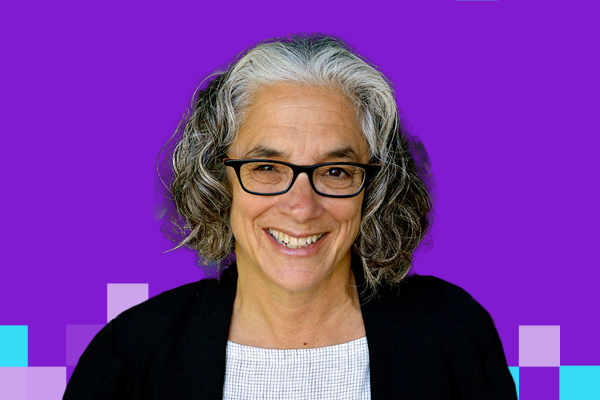
Pronouns: She/Her
Lainey is a disability rights lawyer and an author. For twenty-five years she has focused on technology and information access issues for blind people. Lainey worked on the first legal agreements in the country about Talking ATMs and web access. Instead of filing lawsuits, Lainey uses Structured Negotiation. It is a strategy that focuses on problem-solving. With this method, she brings together disabled people, businesses and governments. Together, they work to make tech available to everyone. Lainey is a public speaker who has been honored for her work.
She is the author of “Structured Negotiation, a Winning Alternative to Lawsuits,” available in digital and print formats and in Bookshare. First published in 2016, the second edition, with new content including a foreword by Haben Girma, was published in October, 2021.
Watch Lainey’s axe-con 2025 talk: “The Digital Accessibility Legal Landscape“
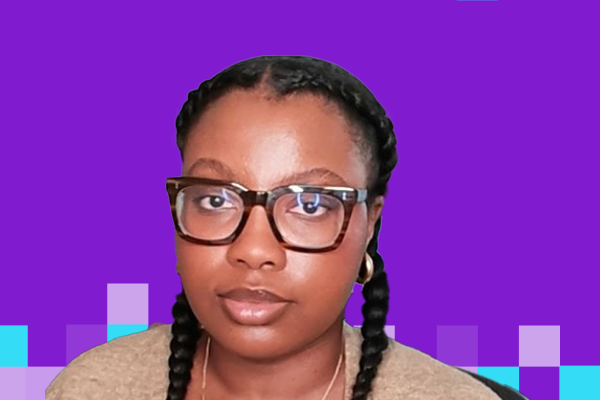
Pronouns: She/her
Lola is a multidisciplinary artist and web standards technologist. As an elected co-chair of the W3C Technical Architecture Group and founder of Lola’s Lab, she leads strategic initiatives across, accessibility, interoperability, and developer education. Lola builds bridges between browsers, specs, and web development through leadership, writing, and engaging developer experiences.
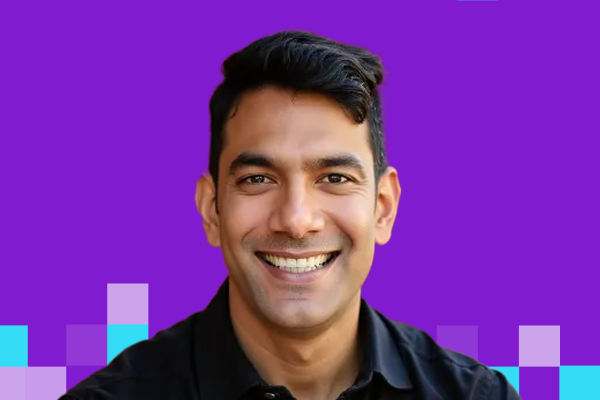
Mali is the founder of HSBC’s Digital Accessibility programme. He currently occupies the position of Group Head of Digital Experience and Accessibility for HSBC and oversees HSBC’s digital offering globally. He is passionately committed to diversity inclusion and creating an accessible environment for colleagues and customers with disabilities. He was previously the Chief Digital Governance, Risk and Control Officer for Corporate and Institutional Digital. In 2023, Mali was recognised in the King’s New Years Honours and awarded a MBE.